
Lampranthus scaber
Lampranthus scaber
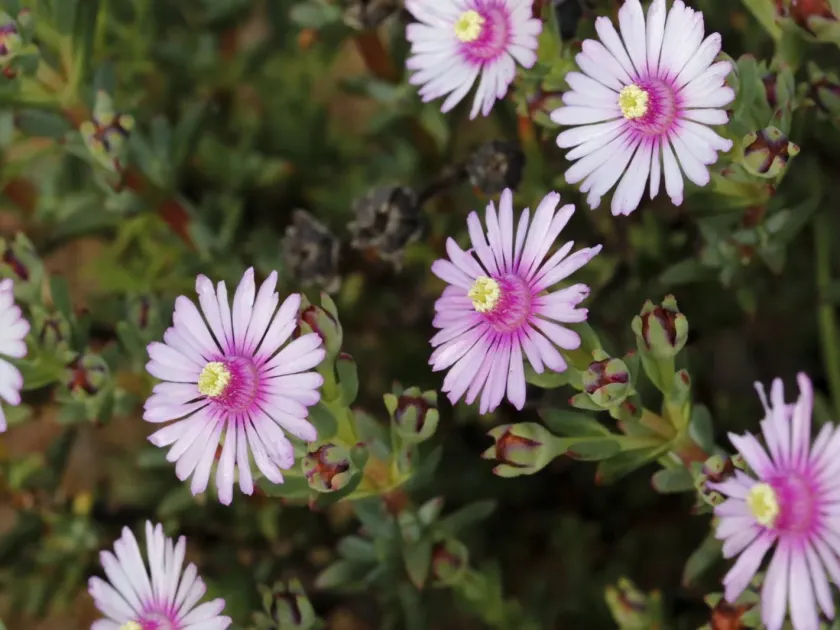
Description
Sowing dates
Propagation of Lampranthus scaber is most successfully achieved through sowing seeds during the spring, once the threat of frost has completely passed. The optimal timeframe is usually late March to mid-April when daylight hours are sufficient for rapid germination.
Seeds should be sown in a well-draining, sandy-based medium. They must not be buried deeply; lightly pressing them into the surface of a moist substrate is sufficient, as they require light to germinate properly.
The germination phase requires consistent temperatures between 20–22 degrees Celsius. During this time, the soil surface should be kept lightly misted, but never saturated, to prevent the seeds from rotting before they establish roots.
Vegetative propagation via cuttings is a common practice for this species. Cuttings taken during the summer months should be allowed to callous for several days in a shaded area before being inserted into a grit-rich growing medium.
When transplanting into the garden, spacing is vital for the health of the plant colony. Placing plants 15–20 centimeters apart allows for adequate airflow, which is the most effective way to prevent fungal pathogens from taking hold in the foliage.
Growing requirements
Lampranthus scaber, a member of the Aizoaceae family, is a succulent native to the arid regions of South Africa. Its entire biological structure is optimized for surviving in environments characterized by limited water availability and intense solar radiation.
This plant has an absolute requirement for full sun exposure. Without at least six to eight hours of direct sunlight per day, the plants will become etiolated, losing their compact growth habit and failing to produce their characteristic vibrant blooms.
Regarding soil, drainage is the non-negotiable factor. The species thrives in poor, rocky, or sandy soils and will quickly succumb to root rot if grown in heavy or waterlogged clay-based soils, which retain excessive moisture.
While highly drought-tolerant, Lampranthus scaber benefits from deep, infrequent watering during the peak growing season. It is crucial to allow the soil to dry out completely between irrigation events to mimic its natural environment.
The plant is not frost-hardy and should be protected from freezing temperatures. In regions with harsh winters, it is typically grown as an annual or cultivated in containers that can be moved to a protected, dry location indoors during the cold season.
Main diseases and pests
The primary threat to Lampranthus scaber is fungal infection, typically manifesting as root rot or stem blight. These conditions are almost exclusively caused by excessive soil moisture or high humidity combined with poor airflow around the foliage.
Common succulent pests, including mealybugs and spider mites, can become problematic in greenhouse environments or when the plant is stressed. Early detection through regular monitoring is the most effective form of defense against these populations.
Aphids occasionally colonize the soft, new growth at the tips of the stems. If left unchecked, these insects can cause deformity and weaken the plant's overall vigor, making it more susceptible to opportunistic secondary infections.
Root-knot nematodes can cause severe damage when the plant is grown in contaminated soil. Signs of nematode infestation include stunted growth and yellowing of the leaves, even when irrigation and light conditions appear to be optimal.
Integrated pest management, including the use of systemic insecticides only when necessary and prioritizing sterile soil media, is essential for long-term cultivation. Maintaining a clean garden environment by removing dead plant debris also reduces the risk of disease.