
Lampranthus aureus
Lampranthus aureus
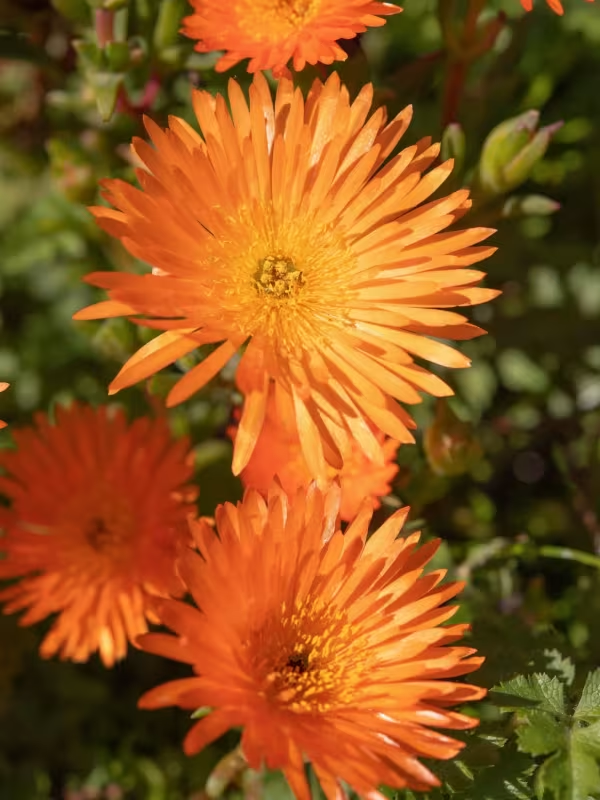
Description
Sowing dates
Lampranthus aureus is typically propagated from seeds or stem cuttings, which are the most reliable methods for maintaining healthy plant populations.
Seeds should be sown in a well-draining, sandy compost mix during the late winter or early spring, keeping the surface lightly covered with fine grit.
Maintenance of a consistent temperature between 20 °C and 22 °C is crucial for successful germination, ensuring the soil remains slightly damp but never waterlogged.
Once seedlings have developed their second set of true leaves, they can be carefully transplanted into small individual pots to allow for adequate root development.
Cuttings should be taken during the growing season and allowed to callous for a few days in a shaded area before being inserted into a dry rooting medium.
Growing requirements
As a member of the Aizoaceae family, this succulent requires full, direct sunlight to flourish, as insufficient light will result in leggy growth and reduced flowering.
The ideal soil for Lampranthus aureus is porous, gritty, and nutrient-poor, mirroring its natural habitat in South African coastal regions.
While the plant is highly drought-tolerant, it requires supplemental watering during hot, dry periods to maintain the turgidity of its succulent leaves.
Effective drainage is the single most important factor for long-term survival, as moisture-saturated soil leads to rapid root rot and systemic plant failure.
It performs best in warm climates and is frost-sensitive; therefore, in colder regions, it should be treated as an annual or overwintered in a greenhouse.
Main diseases and pests
Fungal pathogens associated with excessive soil moisture are the primary threat, often manifesting as root or collar rot during humid or rainy weather.
Pests such as mealybugs and spider mites are common problems, especially when the plant is kept in poor-ventilation environments or dry indoor conditions.
Infestations can be managed by physical removal or by applying systemic insecticides specifically formulated for succulent plant varieties to avoid leaf burn.
Regular monitoring of the foliage is essential to detect early signs of pest damage, which usually appears as yellowing or distorted succulent leaves.
Maintaining a clean growing area and preventing overcrowding helps minimize the risk of pathogen spread, keeping the plant stock vigorous and healthy.
Harvesting
Seed harvesting should occur once the seed capsules have turned brown, dried out, and reached a brittle consistency on the mother plant.
Care must be taken during collection as the capsules often open readily to disperse seeds, meaning they should be gathered just before they split entirely.
Once harvested, the capsules should be placed in a dry, paper-lined container to finish drying, which allows the seeds to fall out naturally over time.
Seeds should be cleaned of any plant debris and stored in labeled, moisture-proof envelopes in a cool, dark location to ensure viability for future seasons.
Proper storage duration is vital; while seeds can remain viable for several years, their germination rates tend to decline over time if kept in warm conditions.