
Lampranthus conspicuus
Lampranthus conspicuus
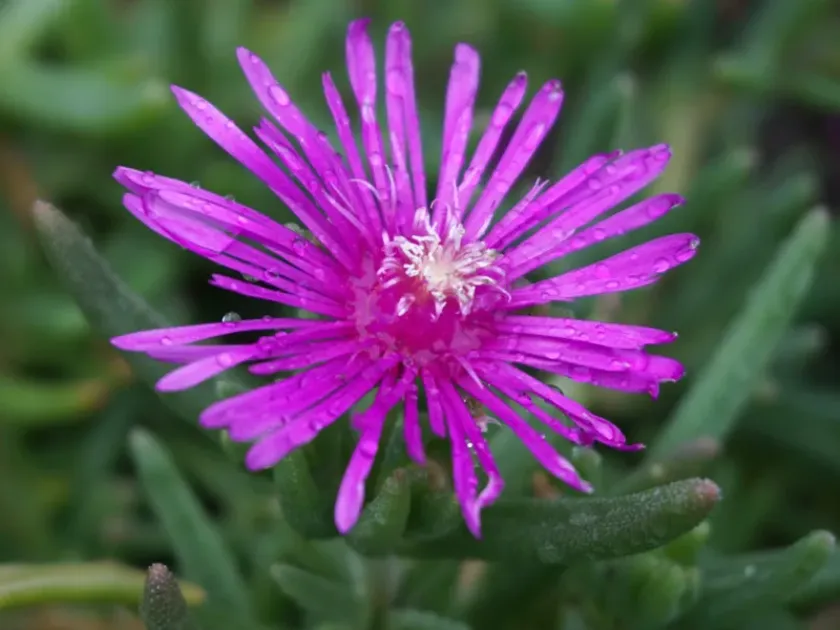
Description
Growing requirements
Lampranthus conspicuus is a perennial succulent belonging to the Aizoaceae family. It is native to the arid regions of South Africa, where it has evolved to thrive in harsh, sun-drenched environments with well-draining, rocky soils.
The plant is characterized by its fleshy, succulent leaves that store moisture, allowing it to withstand long periods of drought. Its trailing stems make it a popular choice for ground cover in xeriscaping and sustainable garden design.
Climate requirements for this culture are strict: it demands full sun exposure to flourish. In cooler or temperate regions, it is frequently cultivated as an annual or a container plant because it cannot tolerate prolonged frost or extreme humidity.
For optimal growth, the soil must be exceptionally porous and gritty. A substrate that promotes rapid drainage is essential, as stagnant water is the primary cause of physiological stress and root damage in this species.
Economically, Lampranthus conspicuus is prized for its high aesthetic value in horticulture. It is widely used in rock gardens, borders, and hanging baskets, providing a spectacular floral display when cultivated under appropriate conditions.
Main diseases and pests
The most significant threat to Lampranthus conspicuus is overwatering and poor drainage, which often lead to lethal stem and root rot. Maintaining a dry environment around the root zone is crucial for the plant's long-term health.
Pests such as mealybugs and spider mites are common concerns, particularly when the plants are grown in confined or poorly ventilated conditions. Regular inspections and the use of targeted insecticides are recommended to prevent infestations.
High humidity combined with low light levels creates a perfect environment for fungal diseases. It is advisable to provide adequate airflow and avoid overhead watering to keep the foliage dry and healthy throughout the growing season.
Excessive use of nitrogen-rich fertilizers can result in weak, succulent growth that is more susceptible to both pest attacks and fungal infections. Specialized mineral fertilizers for cacti are preferred to maintain sturdy, compact growth.
Proactive management of the cultivation environment is the best defense against threats. Ensuring proper soil structure, adequate light, and strategic watering will minimize the need for chemical intervention and keep the plants healthy.