
Lampranthus multiradiatus
Lampranthus multiradiatus
Description
Sowing dates
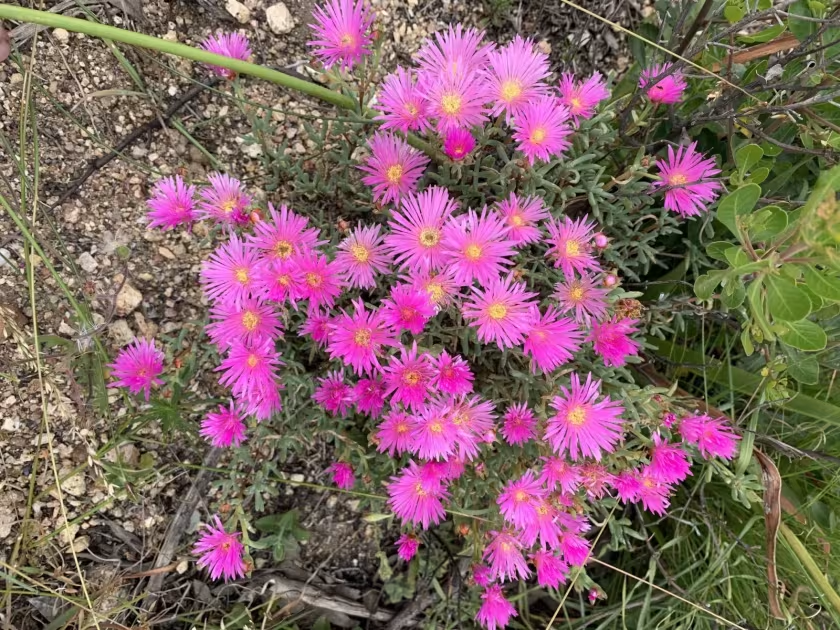
Lampranthus multiradiatus is a succulent plant belonging to the Aizoaceae family. Propagation is successfully achieved through both seeds and vegetative cuttings.
Seed sowing is typically performed in early spring, from March to April, ensuring the seedlings receive sufficient light for robust initial development.
Cuttings are harvested during late summer, allowing sufficient time for rooting before the plant enters its natural period of dormancy in winter.
The growing medium must be highly porous, consisting of coarse sand, perlite, and a small amount of potting soil to prevent water retention around the roots.
Maintaining a temperature range between 20–22 degrees Celsius and ensuring bright, indirect light is essential for successful germination and initial seedling vigor.
Growing requirements
Native to South African environments, this species requires full sun exposure to thrive, bloom profusely, and maintain its characteristic succulent habit.
The soil must be well-drained and mineral-rich with a low nutrient content, as excessive fertilization can lead to weak and spindly growth of the stems.
Watering practices must be strictly controlled, allowing the soil to dry out completely between irrigations to avoid osmotic stress and root decay.
The plant is not frost-tolerant and requires protection from freezing temperatures, making it suitable for container cultivation in temperate climates.
Adequate air circulation is mandatory, as still air creates a microclimate that promotes fungal infections on the succulent leaves and stems.
Main diseases and pests
The most significant threat to the culture is root rot, which occurs when the substrate remains waterlogged for extended periods due to poor drainage.
Fungal pathogens can quickly spread throughout the plant tissue if irrigation is excessive or if the leaves are exposed to stagnant moisture.
Mealybugs are common pests that infiltrate the tight junctions of the stems, requiring manual removal or the application of appropriate contact pesticides.
Spider mites can become a persistent issue in low-humidity environments, leading to leaf discoloration and a general decline in the plant's overall health.
Effective pest and disease management relies on maintaining a dry, airy environment and performing routine inspections of the plant's structural integrity.