
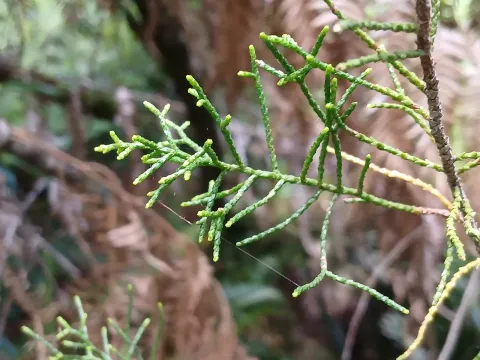
Lagarostrobos
Lagarostrobos
Lagarostrobos is a genus of conifers in the Podocarpaceae family, represented by the single species Lagarostrobos franklinii. It is native to the temperate rainforests of Tasmania, where it inhabits wet, riparian environments.
What the section contains

Lagarostrobos
The species is renowned for its extremely slow growth rate and longevity, with some specimens living for thousands of years. It thrives in high-humidity climates where rainfall is frequent and temperatures remain relatively cool throughout the year.
Ideal soil conditions for this culture include highly acidic, organic-rich substrates that maintain constant moisture. Because of its dependence on specific soil fungi, successful cultivation outside its native range is exceptionally challenging.
The plant requires protection from intense, direct sunlight during its juvenile stages, preferring the shaded canopy of denser forest environments. It is ill-adapted to drought, making consistent irrigation a prerequisite for its health.
Agronomic practices focus on environmental stabilization, as the plant cannot tolerate sudden shifts in humidity or ambient heat. In controlled settings, maintaining a cool, moist microclimate is essential for survival.
Forest fires pose the most significant threat to the natural populations of Lagarostrobos due to the species' inability to recover quickly. Environmental degradation and climate change are accelerating these risks.
Pathogenic threats include root rot infections that can occur in nursery settings if drainage is improperly managed. Maintaining air circulation is critical to reducing the spread of fungal spores in greenhouses.
While the tree's natural resins provide resistance to many wood-boring insects, mechanical injuries to the bark can invite pests or infections. Protecting the integrity of the plant's surface is vital for long-term health.
Invasive weed competition is a significant concern for younger trees, as they lack the aggressive growth needed to outcompete faster-growing vegetation. Regular weeding is required to ensure adequate nutrient access.
Monitoring for signs of dehydration is necessary, as stress from dry spells often leads to suppressed immunity. Ensuring the tree remains free from competing pathogens requires strict adherence to horticultural hygiene.