
Southernwood
Artemisia abrotanum L.
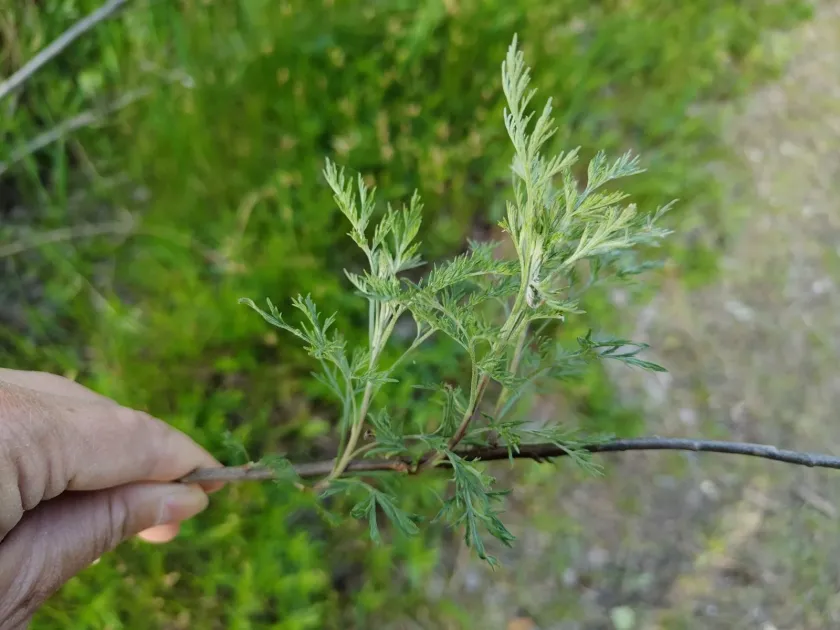
Description
Sowing dates
Southernwood (Artemisia abrotanum L.) is a woody perennial shrub belonging to the Asteraceae family. Propagation is primarily achieved through vegetative methods such as stem cuttings or division of established clumps.
The best time for taking cuttings is late spring or early summer, using semi-ripe wood. Cuttings should be placed in a well-draining rooting medium and kept in a humid environment until roots develop.
Clump division is best performed during the plant's dormancy phase, either in early spring or late autumn, ensuring each section has a healthy root system.
Seeds are rarely used for propagation as they often have low viability and do not always produce plants true to the parent variety in terms of aromatic properties.
When starting a new plantation, proper spacing is essential to ensure that each plant has enough room to grow into a mature, productive shrub over the coming years.
Growing requirements
Southernwood thrives in full sun exposure, which is necessary for the plant to develop its characteristic dense foliage and high concentration of volatile aromatic oils.
The plant prefers light, well-drained, slightly alkaline to neutral soil. It is remarkably tolerant of poor soil conditions but will perform best when given adequate nutrients.
Once established, the shrub is very drought-tolerant. However, supplemental irrigation is recommended during the first growing season and in periods of extreme drought.
Air circulation is crucial for maintaining plant health. Avoid planting in areas where cold air settles or where high humidity levels persist throughout the growing season.
Maintenance involves pruning the shrub back hard in early spring to encourage vigorous new growth and to prevent the plant from becoming excessively woody and bare at the base.
Yield
The economic yield of Southernwood consists of the leafy stems, which are harvested for their aromatic and medicinal properties. Yield potential increases as the shrub matures over several years.
Regular pruning cycles are essential to manage the growth and maximize the production of fresh, fragrant foliage each season rather than allowing the plant to flower excessively.
Commercial plantations can produce a significant biomass yield, provided that soil fertility is managed and the plants are protected from competition with weeds.
The timing of harvest significantly influences the quality of the essential oils. The concentration is generally highest just before the flowers fully open.
With correct field management, Southernwood can provide a sustainable harvest for many years, as the plants are long-lived and show high resilience to harvesting cycles.
Main diseases and pests
Southernwood is widely valued for its strong scent, which naturally repels many garden pests, making it an excellent candidate for organic farming and integrated pest management.
Fungal issues, such as powdery mildew, may occur if the plants are crowded or if the climate is overly humid, which hinders the necessary drying of the foliage.
Ensuring proper spacing and periodic thinning of the canopy helps to improve airflow, which is the most effective preventative measure against the development of fungal diseases.
While few insects bother the plant, aphid outbreaks can sometimes occur on succulent young growth; these are typically handled by applying mild biological controls if necessary.
Field monitoring by agronomists is advised to detect any early signs of stress or disease, ensuring that the health of the perennial stock remains high year after year.
Harvesting
Harvesting should be timed to coincide with the beginning of the flowering stage, ensuring that the harvested foliage contains the peak amount of active aromatic compounds.
Using sharp tools for harvesting minimizes mechanical damage to the shrub, allowing it to recover quickly and produce new growth for subsequent harvest cycles.
Post-harvest handling requires immediate transfer of the material to a drying facility. Proper airflow is vital to dry the leaves without degrading the quality of the oils.
The material should be dried in a dark environment to prevent the degradation of light-sensitive compounds and to keep the leaves from discoloring.
Once dried, the leaves and young stems are processed into herbal extracts or essential oils, widely used in both the pharmaceutical and perfume industries.