
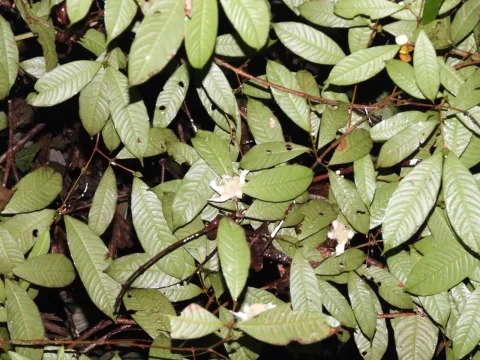
Kayea
Kayea
The genus Kayea belongs to the family Clusiaceae, comprising evergreen trees native to the tropical regions of Southeast Asia. These trees are well-adapted to the dense, humid rainforest environments characteristic of countries like Vietnam, Thailand, and Malaysia.
What the section contains


Kayea
Regarding climate, these trees require a consistent tropical environment with high humidity levels and year-round warmth. They are highly sensitive to frost and extreme temperature fluctuations, which can severely hinder their physiological development and survival rate.
Soil requirements for Kayea involve fertile, deep, and well-draining substrates. These trees perform best in areas where moisture remains constant but does not become stagnant, which could lead to suffocation of the root system in poorly aerated soils.
In terms of cultivation, early stages of growth require careful management of shade and protection from strong winds. As the trees mature, they often become more resilient, though they remain dependent on a nutrient-rich forest floor to maintain their steady growth rate.
The economic significance of Kayea is primarily tied to its high-quality timber. The wood is recognized for its durability, hardness, and aesthetic appeal, making it a sought-after resource for local furniture manufacturing, fine carpentry, and marine construction.
The primary threats to Kayea species include various fungal pathogens that thrive in high-humidity tropical conditions. These fungi often target the root zones if water drainage is inadequate, leading to root rot and systemic tree failure.
Insect pests, particularly wood-boring beetles and certain leaf-eating larvae, pose a significant risk to young plantations. These pests can compromise the structural integrity of the saplings and open pathways for secondary bacterial infections.
Management of these threats requires vigilant monitoring within forest nurseries. Implementing integrated pest management strategies, including the removal of infected debris and ensuring proper spacing, is essential for maintaining the health of the stand.
Environmental stress, such as prolonged periods of unseasonal drought, significantly lowers the tree's natural resistance to parasites. Ensuring optimal water levels through irrigation or site selection is a key preventive measure in industrial forestry settings.
Research into the resistance of various Kayea species continues, aiming to identify cultivars that show higher tolerance to local pests and diseases while maintaining the quality of timber required for commercial use.