
Kayea ferruginea
Kayea ferruginea
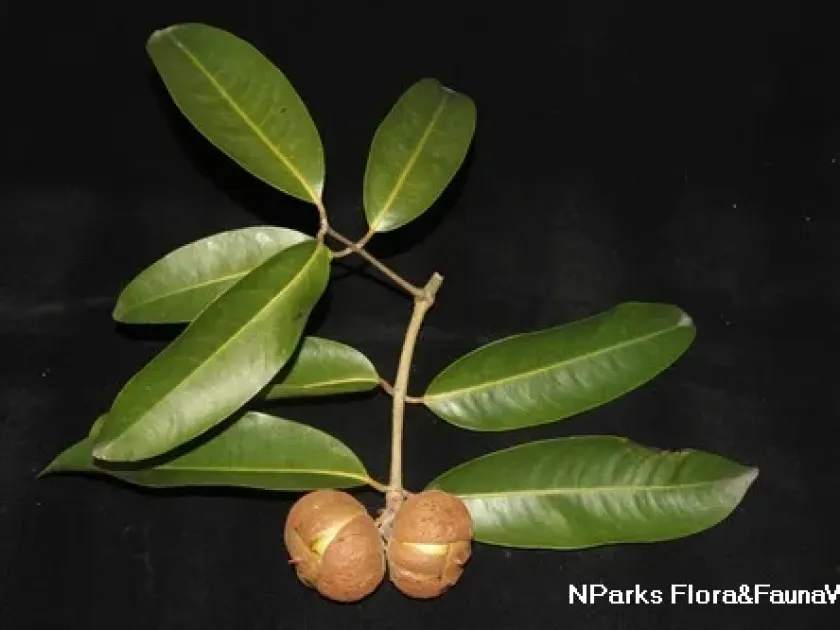
Description
Sowing dates
Propagation of Kayea ferruginea is primarily achieved through seeds, requiring temperatures between 25 and 30 degrees Celsius for optimal germination.
The sowing process should be initiated at the start of the rainy season to capitalize on the high soil moisture content necessary for root development.
Seeds of this species exhibit a short shelf life, necessitating direct sowing shortly after harvest to maintain high viability rates.
Planting depth should be kept shallow, approximately 2 to 3 centimeters, using a well-draining, nutrient-rich substrate for the best results.
Proper aeration and consistent moisture management in the nursery stage are critical to preventing seed rot and ensuring uniform seedling growth.
Growing requirements
Belonging to the Clusiaceae family, this species thrives in tropical climates characterized by high temperatures and consistent atmospheric humidity.
Ideal soil conditions involve deep, humus-rich layers with a slightly acidic pH level, which supports the healthy proliferation of the root system.
The plant requires ample sunlight for vigorous growth but benefits from light shade during its early juvenile stages of life.
Protection from strong winds is highly recommended, as the structural characteristics of the saplings make them susceptible to mechanical damage.
Well-drained soil is non-negotiable, as waterlogging can lead to rapid decay of the root structure and loss of the crop.
Yield
The economic value of Kayea ferruginea is primarily linked to its high-quality timber, which is known for its durability and resistance to decay.
Growth rates are considered moderate, with the timber becoming suitable for industrial or construction use after a 20 to 30-year maturation cycle.
Utilized primarily in high-end cabinetry, flooring, and specialized furniture production due to its aesthetic grain and structural strength.
Biological resilience allows the tree to adapt to various forest canopy structures, aiding in consistent biomass accumulation over time.
Strategic forest management and selective pruning can significantly increase the total timber yield and quality of the final forest product.
Main diseases and pests
Fungal infections pose the most significant risk, particularly in high-humidity zones where air circulation between the trees is insufficient.
Stem-boring insects and foliage feeders can cause substantial damage if monitoring is neglected during the tree's development phases.
Effective management includes regular sanitary pruning and the application of biological controls to keep pest populations at a manageable level.
Competition from aggressive invasive plant species can hinder the development of young trees, requiring consistent maintenance of the understory.
Integrated pest management strategies are recommended to maintain the long-term health and structural integrity of the timber plantations.