
Garcinia smeathmannii
Garcinia smeathmannii
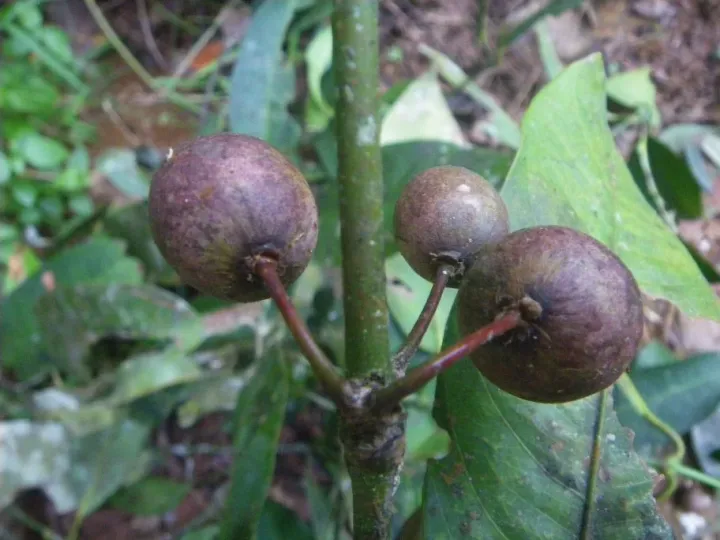
Description
Growing requirements
Garcinia smeathmannii is a prominent woody plant species belonging to the Clusiaceae family. Native to the tropical forests of Central and Western Africa, this evergreen tree is highly valued for its ecological role and potential agricultural applications in warm climates.
To ensure optimal growth, this culture requires a tropical environment characterized by constant warmth and high humidity levels. The species is highly sensitive to cold spells and frost, which limits its cultivation area to frost-free tropical zones or controlled greenhouse environments.
The ideal growing medium consists of well-drained, nutrient-rich soil with a slightly acidic to neutral pH. Proper soil structure is essential for root aeration, as the species is intolerant of waterlogged soils, which can quickly lead to root decay and overall plant decline.
Agricultural management involves routine monitoring of soil moisture and supplemental irrigation during the dry season. Regular mulching is recommended to maintain soil moisture levels and prevent the depletion of surface nutrients, which is crucial for young tree development.
Beyond its ornamental appeal, Garcinia smeathmannii is recognized for its medicinal and traditional uses. The plant contains various secondary metabolites that have sparked interest in biochemical research, potentially leading to new applications in pharmacology and sustainable forestry.
Main diseases and pests
The primary threats to this species involve fungal pathogens that thrive in high-humidity conditions, such as leaf spot and anthracnose. Integrated pest management, focusing on proper canopy ventilation and sanitation, is the best strategy for maintaining tree health.
Insects like scale insects and aphids often infest tender leaves and shoots. Effective control measures include regular inspection of foliage and the application of horticultural oils or organic pesticides to manage populations before they cause significant damage to the crop.