
Kalanchoe sexangularis
Kalanchoe sexangularis
Description
Growing requirements
Kalanchoe sexangularis is a distinctive succulent species belonging to the Crassulaceae family. It is native to the rocky habitats of South Africa, particularly within the provinces of KwaZulu-Natal and Mpumalanga.
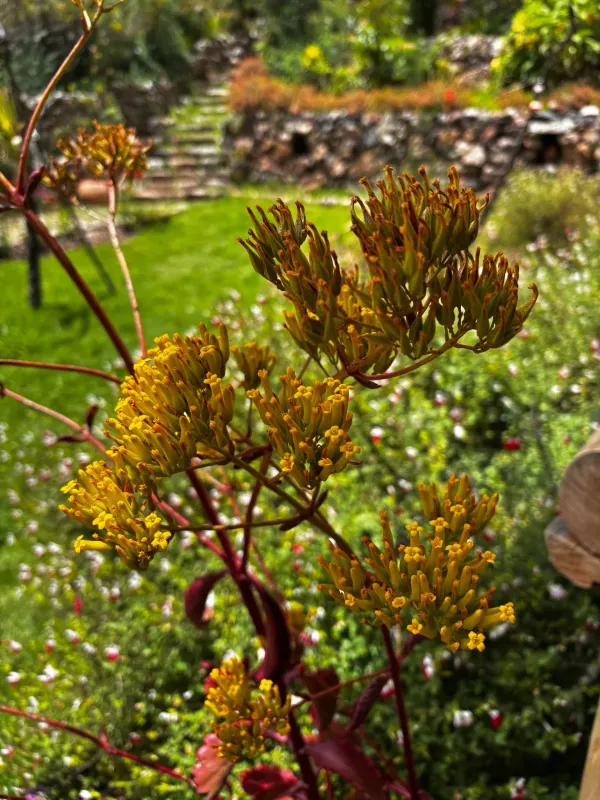
The plant is scientifically named for its unique six-angled stem structure. Its leaves are typically ovate to heart-shaped with dentate margins, turning from deep green to vibrant shades of red and bronze under bright light conditions.
Cultivation success relies heavily on sunlight exposure. For the plant to develop its signature coloration and maintain its compact form, it requires several hours of bright, direct light throughout the day.
The soil requirement is strict: the potting medium must be highly porous and well-draining. A mix of sand, pumice, or expanded clay with standard potting soil is recommended to facilitate rapid drainage and prevent water accumulation.
Temperature management is critical for survival. While it thrives in warm temperatures between 18°C and 25°C during the growing season, it prefers cooler, dry conditions during winter, ideally ranging from 10°C to 15°C.
Main diseases and pests
The most common threat to Kalanchoe sexangularis is root rot, caused by overwatering or poor drainage. Once the roots start to decay, the entire plant can quickly become susceptible to secondary fungal infections.
Mealybugs are the most persistent pest for this species. These insects hide in the tight spaces between leaf axils, sucking the sap and causing the leaves to become stunted or distorted.
Scale insects can also infest the stems, appearing as hard, brown bumps. These are often difficult to remove and require targeted applications of horticultural oils or systemic insecticides.
In indoor environments with poor airflow, spider mites may emerge. These pests thrive in dry conditions and can cause fine webbing and leaf discoloration if left unchecked.
Regular monitoring of the foliage and stems is the most effective preventative measure. Ensuring proper airflow and avoiding overly dense planting will help maintain plant health throughout the season.