
Kalanchoe arborescens
Kalanchoe arborescens
Description
Growing requirements
Kalanchoe arborescens is a notable succulent shrub belonging to the Crassulaceae family. It originates from the island of Madagascar, where it thrives in arid environments characterized by rocky soils and intense sunlight, adapting its structure to survive long drought periods.
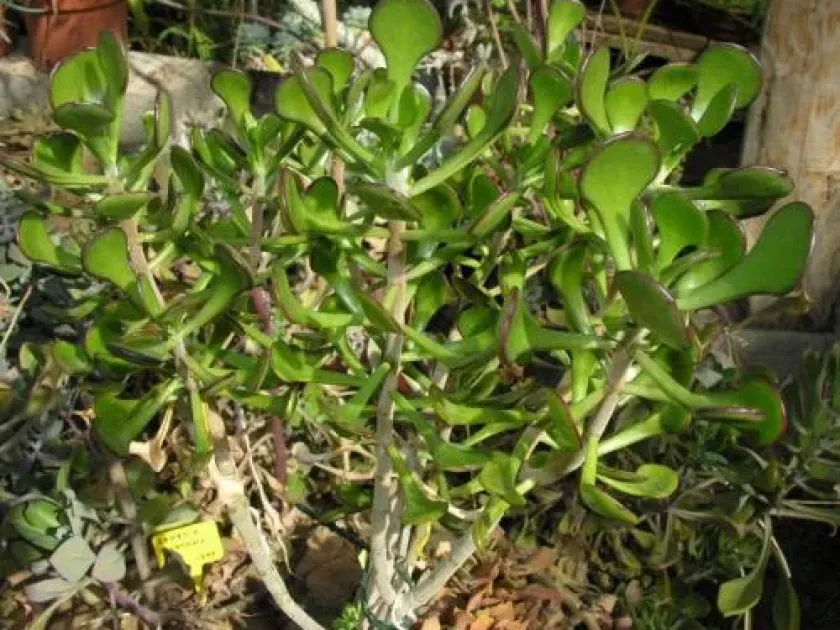
Botanically, this species is defined by its woody stem that develops over time, supporting thick, succulent leaves. These leaves are typically covered in a glaucous, waxy bloom, which serves as a vital adaptation to minimize water loss and protect the plant tissue from high solar radiation.
To ensure healthy growth, Kalanchoe arborescens requires bright, direct sunlight. In an agricultural or domestic setting, placement in a sun-drenched location is essential to maintain the plant's structural integrity and avoid the etiolation that occurs in low-light environments.
Soil requirements focus on excellent drainage and aeration. A substrate mix containing pumice, coarse sand, or perlite is recommended to prevent water accumulation. The pH balance should ideally be neutral or slightly acidic to support optimal nutrient uptake and root health.
Thermal management is crucial for the cultivation of this species. It prefers warm daytime temperatures ranging from 20 to 28 degrees Celsius, while during the dormant season, it benefits from cooler temperatures around 12-15 degrees Celsius to stimulate metabolic stability and future growth cycles.
Main diseases and pests
The most significant threat to Kalanchoe arborescens is overwatering, which quickly leads to root and stem rot. Maintaining a dry-out cycle between watering events is the primary preventative measure against fungal pathogens that thrive in consistently damp environments.
Common pests include mealybugs and spider mites, which can infest the plant's crevices. These pests can rapidly weaken the succulent by extracting plant fluids, leaving it susceptible to secondary infections or physiological stress if not addressed with appropriate insecticides.
Poor air circulation often exacerbates pest infestations and fungal growth. Ensuring that the plants are spaced correctly and kept in an area with good airflow helps reduce the humidity levels that pests like spider mites find attractive for colonization.
If fungal infections appear on the stems or leaves, immediate pruning of the affected tissue is necessary. Using sterile cutting tools is imperative to ensure that the infection does not spread to healthy parts of the plant during the maintenance process.
Preventative care also involves regular monitoring for signs of stress, such as leaf discoloration or soft stem tissue. When caught early, most pest and fungal issues can be successfully managed by adjusting the environmental conditions rather than relying solely on chemical treatments.