
Kalanchoe aromatica
Kalanchoe aromatica
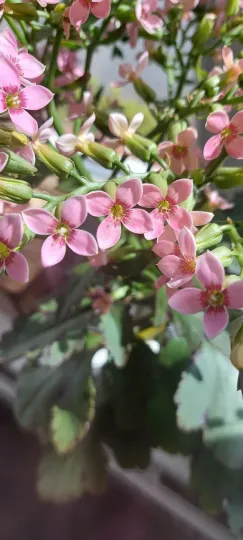
Description
Growing requirements
Kalanchoe aromatica is a perennial succulent plant from the Crassulaceae family, valued for its unique aromatic oils and medicinal potential. Native to tropical environments, it has evolved to thrive in high-light conditions with well-drained, sandy soils.
Agricultural success depends on providing a growing medium with excellent porosity. A mix of peat, perlite, and coarse sand is ideal to ensure that excess water drains quickly, preventing the roots from sitting in moisture.
Temperature management is critical; the plant thrives at temperatures between 20°C and 25°C. Exposure to temperatures below 10°C is detrimental to the plant, necessitating controlled indoor or greenhouse environments for consistent production.
Light intensity significantly influences the chemical composition of the plant's aromatic profile. In commercial operations, providing at least 10 hours of bright, indirect sunlight is essential for the healthy development of fleshy, nutrient-rich leaves.
Irrigation should follow a strict regime where the soil is allowed to dry out between watering sessions. Over-irrigation is the leading cause of plant failure, making precise moisture control the most important aspect of daily cultivation.
Main diseases and pests
Root rot is the most common disease affecting Kalanchoe aromatica, often caused by poor drainage or excessive humidity levels. Using sterile growing substrates and maintaining good air circulation are vital prevention strategies.
Mealybugs are the primary pests that damage the plant by feeding on its sap. These small insects tend to hide in leaf axils, making regular inspections of the foliage necessary to maintain plant health.
Fungal leaf spots can occur when humidity levels remain too high for extended periods. Implementing an effective ventilation system helps mitigate the risk of fungal proliferation within dense crop stands.
Effective pest management involves integrated control programs, prioritizing biological agents over harsh chemicals. Keeping the facility free of weeds and debris prevents the establishment of pest populations.
Monitoring for signs of stress, such as leaf discoloration or wilting, allows for quick intervention. Regular nutrient analysis ensures the plants remain vigorous and less susceptible to opportunistic infections.