
Kalanchoe bentii
Kalanchoe bentii
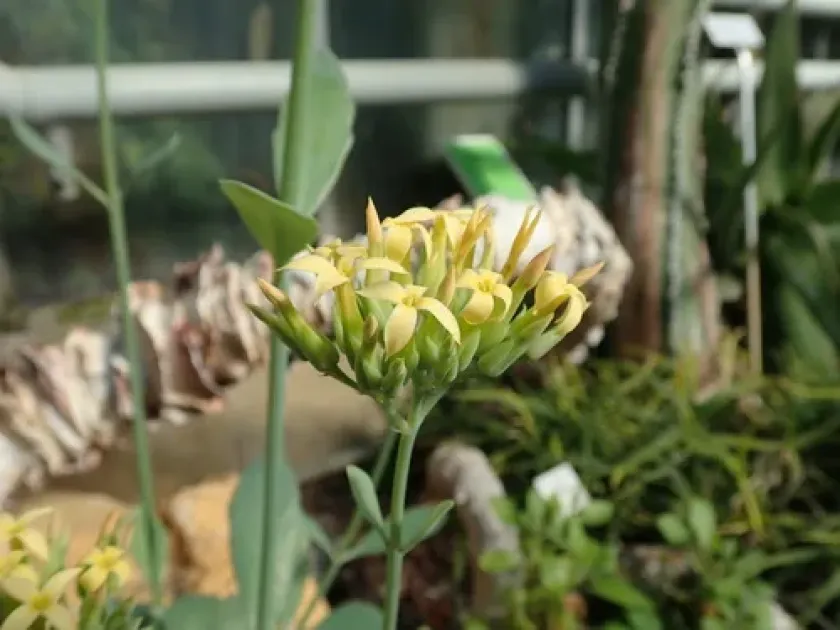
Description
Growing requirements
Kalanchoe bentii is a striking succulent shrub belonging to the Crassulaceae family. Native to the rocky regions of the Arabian Peninsula, this plant has adapted to survive in environments with poor soil and intense sun exposure.
The plant is characterized by its upright, fleshy stems and elongated leaves covered with a distinct waxy bloom. This bloom is an evolutionary mechanism that prevents water loss through transpiration in hot, arid climates.
Light requirements for Kalanchoe bentii are high. It thrives in full sunlight, which is essential to maintain its structural integrity. Insufficient light results in etiolated, weak growth that compromises the plant's natural aesthetic form.
Regarding soil conditions, the plant requires a highly porous and well-draining substrate. A mix of sand, pumice, and a small portion of loam is recommended to ensure that moisture does not accumulate around the root system.
The climate for optimal growth involves warm temperatures during the active vegetation season and a cooler, dry period during the winter months. Proper temperature management is the key factor in inducing the plant's flowering process.
Main diseases and pests
The most common threat to Kalanchoe bentii is root rot caused by overwatering and stagnant water in the soil. Once the roots begin to decay, the entire plant structure quickly loses its viability, making recovery difficult.
Mealybugs are the most frequent insect pests. They tend to hide in the tight spaces between leaves and stems, sucking the sap and weakening the plant, which often leads to the development of secondary fungal infections.
Spider mites can also be problematic in dry, indoor environments. These microscopic pests create fine webs and cause the leaves to lose their healthy color and luster if left untreated.
Grey mold (Botrytis) may affect the plant when the air circulation is poor and humidity levels are too high. Regular ventilation and keeping the foliage dry are primary methods of prevention for this condition.
Monitoring the plant regularly is essential for early detection of issues. If an infestation occurs, specialized horticultural soaps or systemic pesticides suitable for succulents should be applied to restore plant health.