
Kalanchoe rosei
Kalanchoe rosei
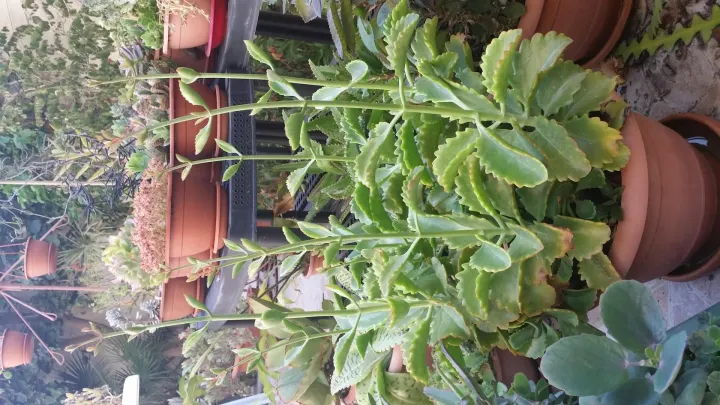
Description
Growing requirements
Kalanchoe rosei is a succulent plant belonging to the Crassulaceae family. Originally endemic to the island of Madagascar, this species thrives in rocky, well-draining habitats, which defines its basic biological requirements.
For successful cultivation, the species requires a high-light environment. While it benefits from direct morning sunlight, it is sensitive to intense afternoon heat, which can lead to leaf scorching if the plant is not properly acclimated.
The ideal temperature range is between +20°C and +25°C during the growing season. During the winter rest period, the plant benefits from a drop in temperature to about +12°C to +15°C, which promotes healthier growth and future flower bud formation.
Soil requirements focus on drainage. A specialized substrate for succulents, typically composed of peat, coarse sand, and perlite, is essential to prevent moisture retention in the root zone and avoid root rot.
Irrigation should follow a "dry-wet" cycle. It is crucial to allow the soil to dry out completely between waterings. During winter, the watering frequency should be significantly reduced to match the plant's metabolic slow-down.
Main diseases and pests
Mealybugs are the most common pests affecting Kalanchoe rosei. These insects aggregate in the leaf axils, and their presence requires immediate application of systemic insecticides to prevent severe infestation.
Spider mites can become a significant threat if the humidity levels are consistently too low. Regular monitoring and maintaining appropriate ventilation help to mitigate the risk of mite colonization.
Powdery mildew is a common fungal issue that presents as a white, dusty layer on the leaves. Increasing airflow around the plant and applying suitable sulfur-based fungicides are standard control methods.
Root rot is the primary physiological threat to the plant, usually triggered by excessive irrigation or poor drainage. Once roots start to decay, the plant is often difficult to rescue without propagation from healthy cuttings.
Gray mold (Botrytis) can develop in cool, damp, and poorly ventilated environments. Prompt removal of decaying leaves and improved aeration are essential steps to stop the infection from spreading to the stem.