
Kalanchoe porphyrocalyx
Kalanchoe porphyrocalyx (Baker) Baill.
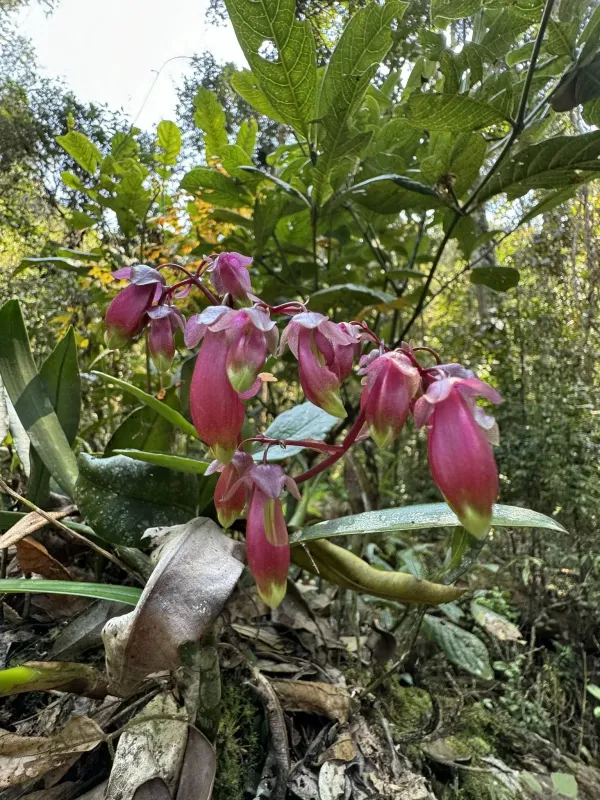
Description
Growing requirements
Kalanchoe porphyrocalyx is a distinct member of the Crassulaceae family, native to the diverse landscapes of Madagascar. This perennial succulent often exhibits an epiphytic growth habit in its natural habitat, clinging to tree trunks and rock crevices.
Cultivation of this species requires bright, indirect sunlight. Exposure to harsh afternoon sun can lead to leaf scorching, so placing the plant in an area with filtered light is crucial for maintaining the health and vibrant color of the foliage.
The ideal temperature range is between 20°C and 25°C during the active growing season. A cooler period, with temperatures dropping to around 12-15°C, is essential during the winter months to mimic the plant's natural dormant phase and encourage flowering.
Soil requirements are strict, focusing on excellent drainage. A well-aerated mix, typically composed of pumice, coarse sand, and peat, ensures that excess water drains away quickly, preventing the risk of root suffocation and decay.
Watering should be carried out sparingly, allowing the substrate to dry out significantly between applications. During winter, watering must be reduced even further to support the plant's dormancy and avoid detrimental root zone saturation.
Main diseases and pests
Pests such as mealybugs and spider mites are common threats, especially when the plant is kept in low-humidity environments that favor these insects' proliferation and rapid colonization.
Fungal diseases, particularly root rot and stem rot, are the most significant threats to Kalanchoe porphyrocalyx. These conditions are almost exclusively caused by overwatering and inadequate soil drainage.
Preventive measures include maintaining good air circulation around the plants and avoiding overhead irrigation, which can leave water trapped in the rosettes and encourage bacterial growth.
Regular inspection of the root system and foliage is recommended. If signs of infestation or decay appear, immediate isolation and the use of targeted systemic insecticides or fungicides are required to save the specimen.
Proper sanitation, including the sterilization of potting tools and the use of clean pots, significantly reduces the probability of introducing soil-borne pathogens into the growing container.