
Kalanchoe orgyalis
Kalanchoe orgyalis
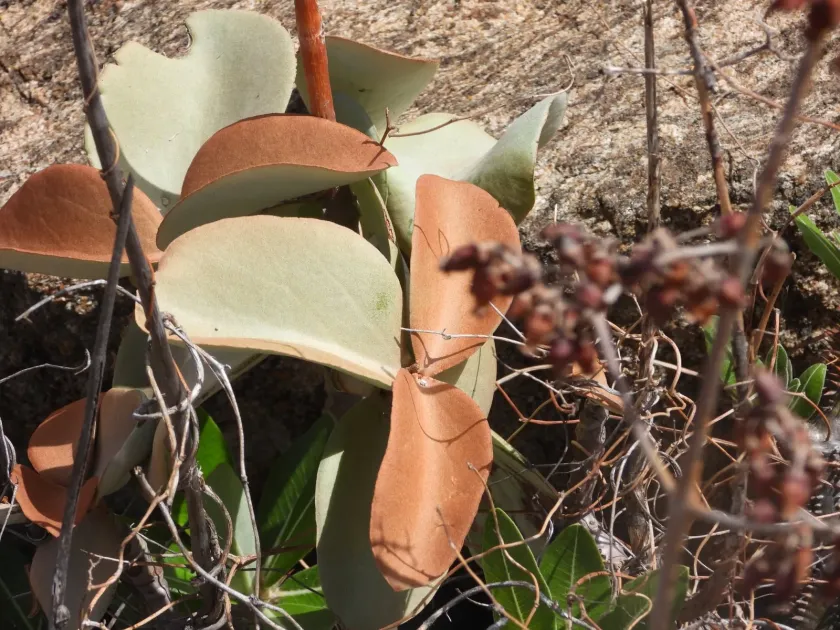
Description
Growing requirements
Kalanchoe orgyalis, commonly known as the Copper Spoons plant, is a striking succulent belonging to the Crassulaceae family. Native to the arid regions of Madagascar, it has evolved to thrive in harsh, sun-drenched environments.
The plant is characterized by its unique, spoon-shaped leaves that feature a distinctive coppery-brown, felt-like texture. In its natural habitat, it forms a woody shrub, but it is often maintained as a compact specimen in horticultural practice.
This species requires high light intensity to maintain its characteristic coloration and growth habit. Placing the plant in a bright, sunny spot is essential, although it should be acclimatized gradually to intense mid-day sun to prevent leaf scorching.
Soil requirements are strictly focused on drainage. A porous, sandy, or rocky medium is ideal to allow water to pass through quickly, mimicking the well-drained mountain slopes of its origins and preventing the roots from sitting in stagnant moisture.
Temperature management is critical for the plant's health. It prefers warm conditions during the growing season and benefits from a cooler, dry winter period. Temperatures should be kept above 10 degrees Celsius to prevent cold damage to the foliage.
Main diseases and pests
The primary threat to Kalanchoe orgyalis is root rot, which is almost exclusively caused by overwatering. Excess moisture in the soil blocks oxygen access to the roots, leading to rapid decay of the vascular system.
Pests such as mealybugs and aphids are common challenges. These insects tend to hide in the tight clusters of the foliage, where they feed on the sap and can lead to stunted growth if left unmanaged over a long period.
Effective management includes using systemic insecticides or neem oil, applied with caution. It is highly recommended to perform regular health checks, paying close attention to the undersides of the leaves where pests typically congregate.
Fungal leaf spots can occur if the foliage remains wet for extended periods. To mitigate this risk, irrigation should be applied directly to the soil, avoiding splashing water onto the leaves, which are covered in protective trichomes.
Maintaining good airflow around the plant is a vital preventative measure. Proper ventilation ensures that surface moisture evaporates quickly, significantly reducing the success rate of various pathogenic fungi and bacterial infections.