
Kalanchoe miniata
Kalanchoe miniata Hils. & Bojer ex Tul.
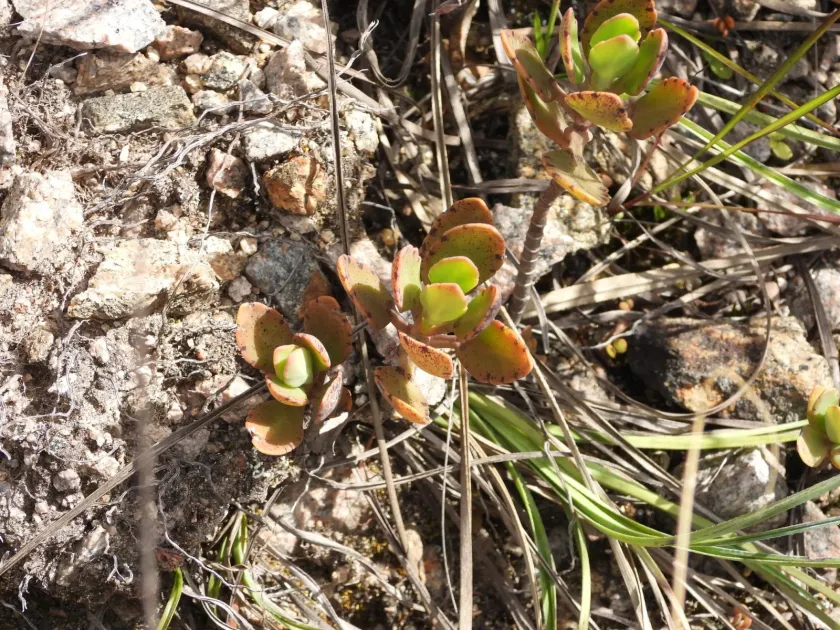
Description
Growing requirements
Kalanchoe miniata is a succulent perennial species belonging to the Crassulaceae family. Native to the rocky terrains of Madagascar, this plant has evolved to survive in nutrient-poor soils with high drainage capacity and intense sunlight exposure.
The plant features succulent leaves and distinct orange-red flowers. Successful cultivation requires a bright location protected from harsh midday sun. A well-draining soil mix, typically composed of peat, coarse sand, and pumice, is critical to prevent the root suffocation that occurs in heavy or waterlogged soil.
Regarding climate, the plant thrives in temperatures ranging from 20°C to 25°C during the growing season. It requires a distinct reduction in watering during the winter dormancy period to stimulate healthy blooming in the following season.
Agronomic practices for this species emphasize precise irrigation schedules. Overwatering is the most common cause of failure in Kalanchoe cultivation, as the plant stores moisture in its tissues and prefers a dry-out period between waterings.
In terms of economic use, Kalanchoe miniata is highly valued in the ornamental plant trade. Its resilient nature and striking floral display make it a staple for indoor greenhouse cultivation and a popular subject for botanical research regarding succulent physiology.
Main diseases and pests
Pest management is focused on controlling mealybugs and spider mites, which thrive in dry indoor environments. Integrated pest management, including regular inspection and the use of targeted systemic treatments, is recommended to maintain crop health.
Pathogenic threats include various types of fungal rot, primarily affecting the crown and root system due to improper moisture levels. Strict adherence to sanitation, such as sterilizing tools and pots, is essential for preventing the spread of soil-borne diseases.