
Kalanchoe longiflora
Kalanchoe longiflora
Description
Growing requirements
Kalanchoe longiflora is a succulent plant belonging to the Crassulaceae family. It is native to the rocky landscapes of South Africa, specifically flourishing in regions with well-drained soils and high sunlight exposure.
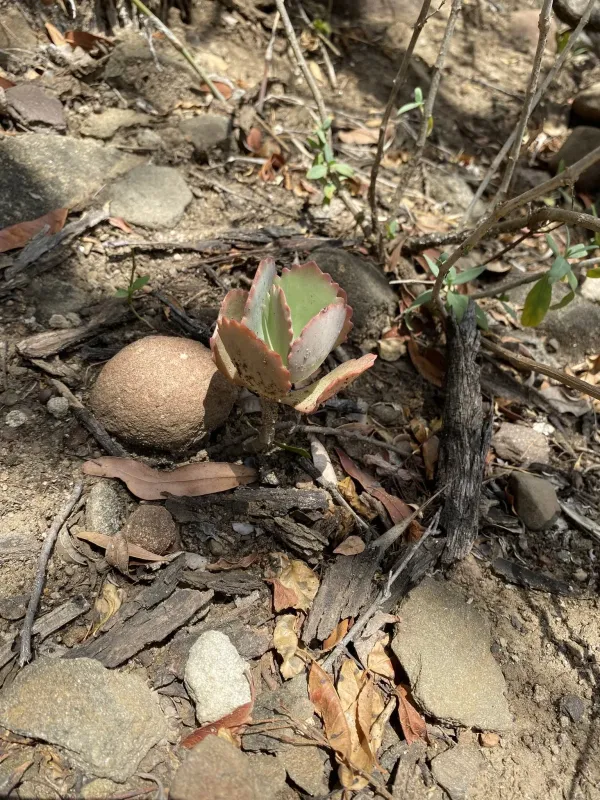
The plant features thick, fleshy stems and serrated leaves. A defining botanical characteristic of this species is its ability to change leaf color from green to vibrant shades of pink and red when exposed to intense UV light.
Optimal growth requires full sun conditions. If cultivated indoors, it needs a south-facing window or supplemental lighting to maintain its compact growth habit and prevent etiolation, which is the stretching of stems due to lack of light.
Regarding soil requirements, the substrate must be highly permeable. A mix of sand, pumice, and loam is ideal for mimicking its natural rocky habitat and ensuring that water does not remain trapped around the root system.
Temperature management is crucial; although it can withstand short periods of cold, it is not frost-tolerant. In temperate climates, it must be protected from temperatures dropping below 10 degrees Celsius to ensure plant longevity.
Main diseases and pests
The most significant threat to Kalanchoe longiflora is overwatering. Excessive moisture in the substrate leads to root and stem rot, which can destroy the plant rapidly if not addressed by immediate soil replacement.
Common pests include mealybugs and spider mites, which thrive in low-humidity environments. These insects tend to hide in the crevices of the succulent leaves, making them difficult to detect at an early stage.
Control measures involve regular inspection and the use of insecticidal soaps or neem oil. It is important to avoid spraying heavy oils directly on the foliage, as this can damage the plant's natural waxy cuticle.
Fungal infections can arise if there is poor air circulation or stagnant water on the leaves. Keeping the foliage dry and ensuring a steady flow of fresh air around the plants is essential for prevention.
Integrated pest management strategies suggest isolating any newly acquired plants before introducing them to the main collection to avoid cross-contamination by pests or soil-borne pathogens.