
Kalanchoe lanceolata
Kalanchoe lanceolata
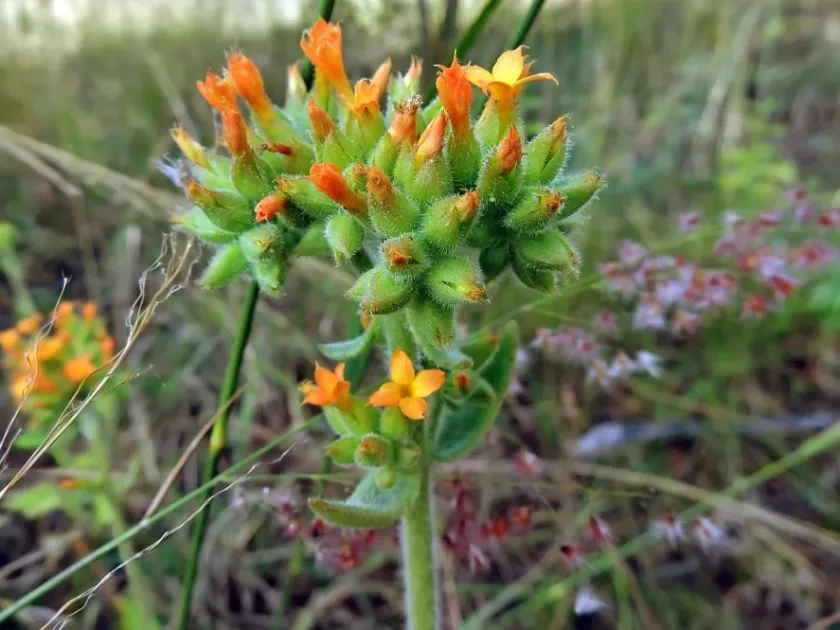
Description
Sowing dates
Kalanchoe lanceolata is a perennial succulent belonging to the Crassulaceae family. It is typically propagated through seeds or stem cuttings, which are the most efficient methods for maintaining the population of this crop.
When sowing seeds, use a well-draining, sandy mix to prevent moisture retention. The seeds should be surface-sown and kept in a warm environment (20–25°C) to ensure a high germination rate throughout the process.
Stem cuttings should be taken during the active growth period. It is essential to let the cut end callus over for at least 48 hours before placing it into the soil to prevent bacterial infections and rotting.
Young plants require consistent but sparse irrigation. The key to successful propagation is avoiding waterlogging, which is a common cause of failure for many succulent species grown in agricultural or home settings.
Gradual acclimatization to higher light intensities is necessary for young seedlings to develop the sturdy, characteristic lanceolate leaves that define the appearance of the mature plant.
Growing requirements
The plant thrives in regions mimicking its natural African habitat, requiring high levels of solar radiation to maintain its structural integrity and leaf density. It is highly drought-tolerant once established.
The soil must have excellent drainage properties, typically composed of peat, coarse sand, and perlite. Heavy, organic-rich soils are unsuitable as they promote root decomposition and stunt the plant's development.
Optimal growth occurs at temperatures between 18°C and 28°C. Being a tropical plant, it does not tolerate freezing temperatures, and exposure to frost will result in immediate cellular collapse of the fleshy tissues.
Watering should be managed by the "soak and dry" method, where the growing medium is completely saturated and then allowed to dry out entirely before the next irrigation cycle commences.
Nutritional needs are relatively low compared to leafy crops. A balanced, low-nitrogen liquid fertilizer applied sparingly during the growing season is sufficient to support healthy foliage production.
Main diseases and pests
Root rot is the most significant threat to Kalanchoe lanceolata, usually caused by improper watering techniques or drainage failures in the growing containers or soil composition.
Common pests include mealybugs, which tend to congregate in the axils of the leaves, and spider mites, which thrive in low-humidity environments often found in indoor or greenhouse cultivation.
Aphids may also pose a risk by colonizing the tender tips of new growth, which can lead to stunted development and the transmission of secondary viral or fungal infections through their feeding.
Control strategies involve mechanical removal for minor infestations, followed by the careful application of insecticidal soaps or systemic treatments that are safe for use on succulent plants.
- Maintain good airflow to prevent fungal buildup.
- Isolate infected plants immediately upon discovery.
- Use sterile tools when pruning to avoid spreading pathogens.