
Kalanchoe laciniata
Kalanchoe laciniata (L.) DC.
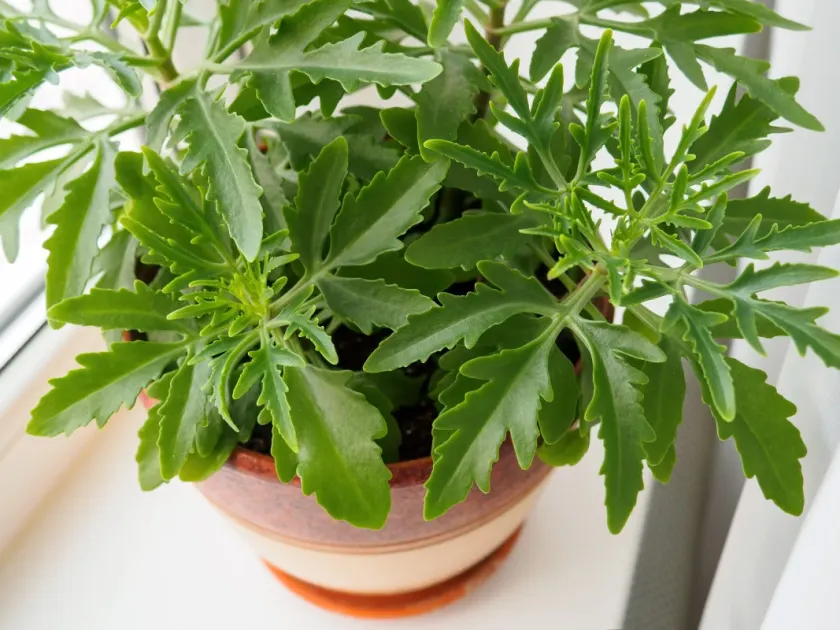
Description
Sowing dates
Propagation of Kalanchoe laciniata, a member of the Crassulaceae family, is typically achieved through seeds or stem cuttings during the active growing season.
When starting from seeds, sow them on the surface of a well-draining, fine-textured growing medium without covering them, as they require light to germinate.
Maintaining a constant temperature between 20–22 degrees Celsius and high humidity levels is crucial for successful seed germination within a few weeks.
Stem cuttings are the preferred method for faster propagation; allow the cuttings to callus for one to two days before planting them in moist soil.
Rooting success increases when cuttings are kept in bright, indirect light, preventing them from drying out before they establish their root systems.
Growing requirements
This species thrives in bright, indirect sunlight; excessive exposure to harsh midday sun can lead to leaf scorching and tissue damage.
A specialized cactus or succulent potting mix is essential to ensure adequate drainage, preventing water from accumulating around the root zone.
Watering should follow a strict dry-down cycle, where the soil is allowed to dry out significantly before the next application of water is performed.
It prefers temperatures between 18–24 degrees Celsius during the day and slightly cooler temperatures at night, reflecting its natural habitat conditions.
Fertilization with a balanced, water-soluble fertilizer at half-strength during the growing season promotes healthy leaf development and plant vigor.
Yield
Kalanchoe laciniata is utilized for its therapeutic properties, as its fleshy leaves are known to produce a gel with anti-inflammatory qualities.
The yield of plant biomass is directly related to light intensity, pot size, and the regular application of appropriate nutrients during development.
Harvestable yield is measured by the number and quality of mature leaves, which are the primary source of the plant's medicinally valuable juice.
Pruning stimulates branching, which increases the overall leaf surface area and enhances the efficiency of biomass production per individual plant.
Optimal environmental control, particularly humidity levels, is vital to prevent leaf rot and maximize the harvestable quantity of healthy leaves.
Main diseases and pests
Root rot is the most common threat, primarily caused by overwatering or soil mixes that retain excessive moisture for too long.
Mealybugs and scale insects represent the most significant pest concerns, as they cluster in leaf axils and extract sap from the host plant.
Spider mites may infest the plant during periods of low humidity, causing visible stippling and webbing on the undersides of the leaves.
Integrated pest management, including the use of horticultural oils or systemic insecticides, is necessary to control these infestations effectively.
Strict sanitation practices, such as removing debris and isolating infested plants, are essential to stop the spread of pathogens in greenhouse settings.
Harvesting
Harvesting of the leaves is typically performed manually in the early morning when the succulent tissues are at their peak turgidity.
Only healthy, mature leaves are selected to ensure the highest quality of phytochemical constituents for medicinal or industrial extract preparation.
Immediate processing or cooling is recommended after the harvest to preserve the chemical integrity of the leaves and prevent oxidation.
When harvesting, the leaves should be detached cleanly at the stem junction to promote quick healing of the wound and prevent potential decay.
Strategic harvesting cycles ensure the plant remains productive, allowing enough time for vegetative recovery between consecutive collection sessions.