
Kalanchoe Kewensis
Kalanchoe kewensis
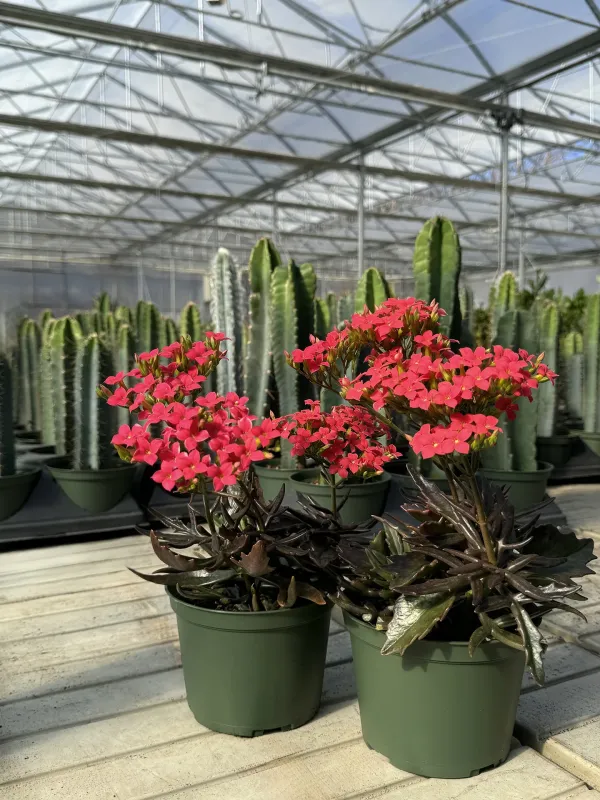
Description
Growing requirements
Kalanchoe kewensis is a distinctive hybrid succulent belonging to the Crassulaceae family, prized for its unique foliage and architectural growth habit.
The plant thrives in bright, indirect light; maintaining proper light intensity is crucial to preventing the stems from becoming leggy and weak over time.
It requires a well-draining, porous potting mix, typically composed of succulent soil amended with perlite or coarse sand to ensure rapid water drainage.
Temperature management is straightforward, as the plant prefers moderate indoor temperatures between 18°C and 25°C throughout most of the active growing season.
Watering should follow a strict 'soak and dry' method, where the substrate is allowed to dry out completely before providing additional moisture to the root system.
Main diseases and pests
The primary agronomic threat to Kalanchoe kewensis is the development of fungal rot, usually triggered by overwatering or inadequate air circulation around the base.
Mealybugs are the most common pests observed on this species, often hiding in leaf axils and causing stunted growth through sap extraction.
Aphids may also pose a risk during the spring months, potentially introducing viral pathogens or simply damaging the succulent tissues of the new growth.
Improper drainage in the pot significantly increases the probability of root death, which can quickly become irreversible if not addressed through repotting.
Routine monitoring for any signs of discoloration or wilting allows for early intervention, ensuring the long-term health and aesthetic quality of the crop.