
Kalanchoe integra
Kalanchoe integra
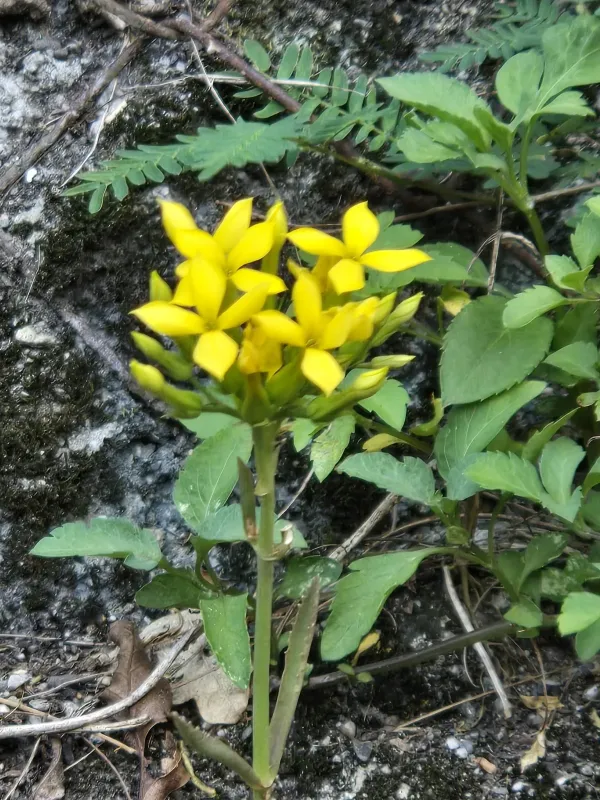
Description
Sowing dates
Propagation of Kalanchoe integra is primarily conducted through seeds or stem cuttings. The optimal period for sowing seeds begins in late winter, ensuring the young plants have sufficient light as they emerge during the early spring season.
Seeds are tiny and should be sown on the surface of a well-draining, loose soil mix. They require light to germinate, so covering them with a thin layer of sand is sufficient to provide stability without burying them too deep.
Maintaining a high humidity environment using a glass cover or clear plastic is essential until germination occurs. Once seedlings reach a height of a few centimeters, they can be carefully transplanted into individual pots.
Stem cuttings are a reliable method to propagate the plant, preserving the traits of the parent specimen. Cuttings should be allowed to callous for a day or two before being placed in dry-to-moist sandy soil.
Root development from cuttings usually takes about a month. It is important to avoid overwatering during this period to prevent the base of the cutting from rotting before it establishes a strong root system.
Growing requirements
Kalanchoe integra, belonging to the Crassulaceae family, is a succulent plant known for its adaptability to arid conditions. It thrives in bright, indirect sunlight, which is necessary for compact growth and healthy foliage development.
The soil should be sandy or peaty, with excellent drainage capabilities to prevent root rot. Heavy or waterlogged soil is unsuitable for this species, as it quickly leads to the decay of the fleshy leaves and stems.
Temperature-wise, the plant is quite sensitive to frost and should be kept in environments above 15 degrees Celsius. It performs best in moderate climates where temperatures stay stable throughout the growing season.
Agronomic maintenance focuses on the "soak and dry" method of watering, where the soil is allowed to dry out significantly between watering sessions. During active growth, a balanced, diluted fertilizer can be applied occasionally.
Beyond its ornamental appeal, Kalanchoe integra is recognized for its traditional uses in medicine and its chemical properties. It is often cultivated in botanical collections and greenhouses for research and decorative purposes.
Main diseases and pests
The main threats to Kalanchoe integra are fungal pathogens, which proliferate in poorly ventilated or excessively humid conditions. Root rot and powdery mildew are the most common issues affecting the health of the plant.
Common pests include mealybugs, which tend to hide in the axils of leaves, and aphids that target the soft tissue of flower buds. These insects can cause significant damage if not identified and managed in the early stages.
Spider mites can become a persistent problem, especially in indoor environments with low humidity. They manifest as fine webbing and lead to chlorosis and the premature dropping of leaves if left unchecked.
Preventative care requires maintaining good airflow around the plants and ensuring that watering practices do not lead to constant soil moisture. Regular inspection of the foliage is vital to ensure early detection of infestations.
When pests are detected, the use of mild horticultural oils or specialized systemic insecticides is recommended to eliminate the threat without damaging the succulent tissues of the plant.