
Kalanchoe hildebrandtii
Kalanchoe hildebrandtii
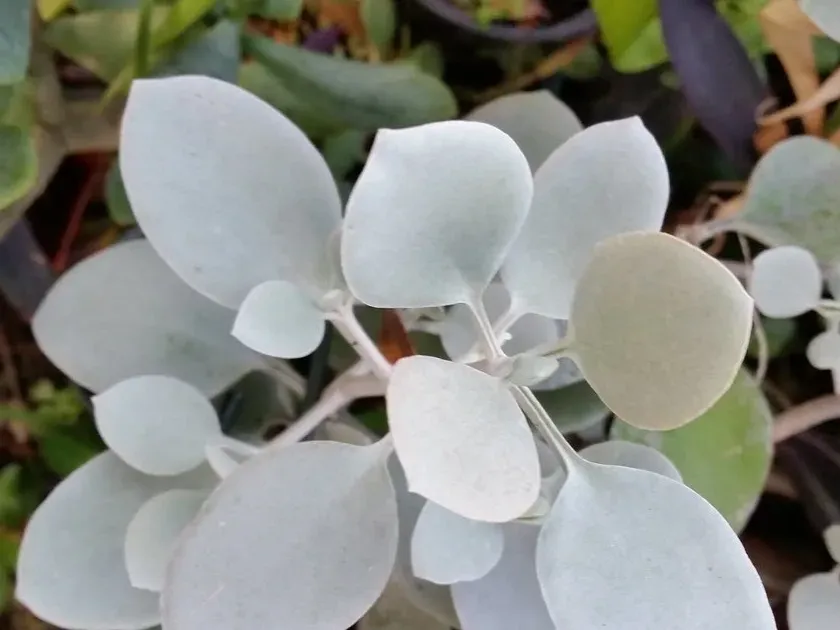
Description
Growing requirements
Kalanchoe hildebrandtii is a distinct member of the Crassulaceae family. Native to Madagascar, this evergreen succulent shrub is highly regarded for its attractive, spoon-shaped leaves covered in a fine silvery-gray pubescence.
In its natural habitat, the plant thrives in rocky, arid environments, which dictates its agricultural needs. It is primarily cultivated as an ornamental plant in greenhouses and indoor settings due to its limited tolerance for frost.
Botanically, the plant is characterized by its woody base and dense canopy of foliage. The silver color serves as an adaptive mechanism, reflecting sunlight and reducing transpirational water loss in hot, dry conditions.
The culture requires bright, indirect sunlight to maintain its structural integrity. If placed in deep shade, the stems will etiolate, losing their compact growth habit and the vibrancy of their silver coloration.
Successful cultivation relies on a well-draining, gritty soil mix. Standard potting soil should be amended with perlite, pumice, or coarse sand to ensure that the root system is never waterlogged after irrigation.
Main diseases and pests
The most significant threat to Kalanchoe hildebrandtii is root rot, almost always triggered by overwatering or poor drainage. Excess moisture in the root zone quickly kills the fine feeder roots, leading to plant decline.
Mealybugs are the primary pest concern, as they often cluster in the dense hair of the leaves, making them difficult to detect. Regular inspection and targeted treatment with horticultural oils or insecticides are necessary.
Spider mites can also attack the plant during periods of low humidity. These pests cause chlorosis on the leaves and can lead to severe weakening of the succulent if left untreated for an extended duration.
Fungal issues, such as powdery mildew or gray mold, can occur if there is insufficient air circulation around the canopy. Maintaining proper spacing and ventilation is critical in a greenhouse environment.
Effective management includes the "soak and dry" method of watering, ensuring the substrate dries out completely between cycles. Keeping the foliage dry during irrigation helps to prevent leaf spotting and fungal growth.