
Kalanchoe grandiflora
Kalanchoe grandiflora
Description
Growing requirements
Kalanchoe grandiflora is a distinct perennial succulent plant belonging to the Crassulaceae family. Native to the mountainous regions of India, this plant has adapted to survive in environments with rocky soil and periods of drought.
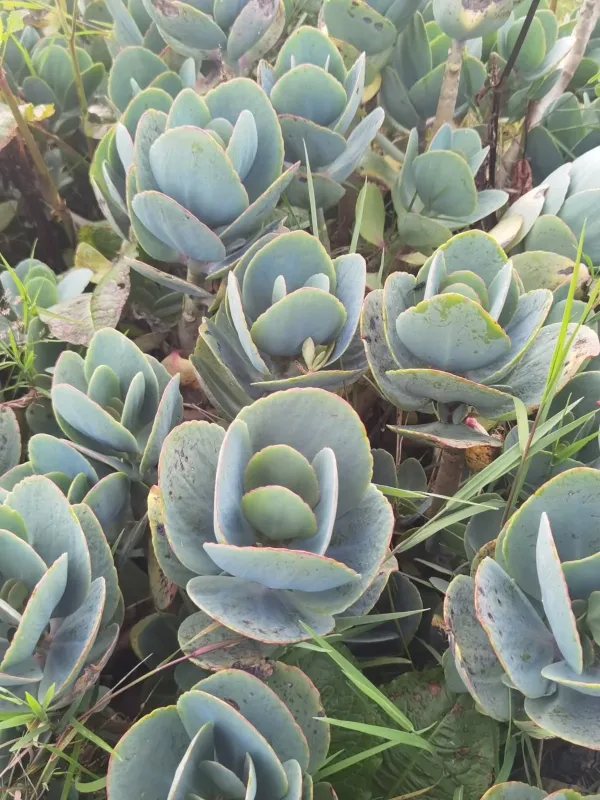
The plant is characterized by its large, succulent leaves that feature distinct scalloped edges and a glaucous blue-green hue. It can grow into a semi-shrub structure, making it a popular choice for decorative indoor displays and conservatory collections.
Proper cultivation requires bright, filtered sunlight to maintain the integrity of its leaf color and compact shape. It thrives in temperature ranges between 68°F and 77°F (20°C - 25°C), while requiring a cooler dormant period during winter months.
Regarding soil requirements, Kalanchoe grandiflora demands a highly porous, fast-draining medium. Commercial cactus potting mixes, amended with extra pumice or perlite, provide the ideal environment to prevent moisture retention near the roots.
Watering protocols should follow the soak-and-dry method, ensuring the soil is completely dehydrated before the next irrigation. Overwatering is the most common cause of failure in cultivating this species, as it predisposes the plant to various pathogens.
Main diseases and pests
The primary pests targeting this species include mealybugs and spider mites, which can cause significant damage to the leaf tissue by extracting vital sap. These insects thrive in arid environments with stagnant air.
Fungal diseases, specifically root and stem rots, represent the most severe biological threat. These issues are almost exclusively associated with improper drainage and poor ventilation systems in the growing area.
Management of pest outbreaks requires the application of targeted insecticides or, in early stages, manual removal using alcohol-soaked cotton swabs. Regular inspections are necessary to detect infestations before they spread to other plants.
To prevent disease development, maintain strict sanitation practices, including the removal of fallen leaves from the soil surface. This prevents the accumulation of moisture and reduces the breeding grounds for fungal spores.
Providing adequate spacing between plants is critical for ensuring proper airflow. Effective management of humidity levels and careful monitoring of substrate moisture will ensure the long-term health and vigor of your Kalanchoe grandiflora specimen.