
Kalanchoe gracilipes
Kalanchoe gracilipes
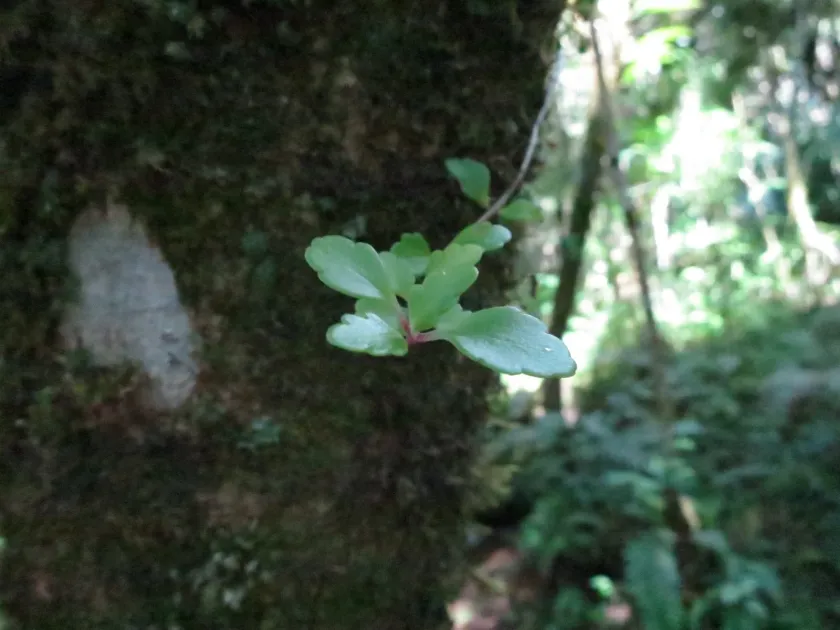
Description
Growing requirements
Kalanchoe gracilipes is a member of the Crassulaceae family. It is an endemic species originating from Madagascar, where it typically inhabits rocky environments, demonstrating high resilience to the specific local climatic conditions of the island.
The plant is known for its slender, graceful stems and ovate leaves. As a succulent, it possesses specialized tissues for water storage, which allow the plant to survive intermittent periods of drought. Its growth habit is relatively compact, making it suitable for small-scale cultivation.
The species requires bright, filtered light to maintain its structural integrity and color. While it can withstand some morning sun, exposure to intense midday heat often requires shading to prevent leaf scorching and desiccation of the succulent tissues.
The preferred soil substrate is a well-draining, porous mixture typical for succulent plants. High aeration is crucial to prevent root asphyxiation. A common mix involves professional potting soil blended with horticultural grit or pumice to ensure rapid water drainage.
Cultivation practices involve a strict watering regime. During the active growing season, water should be applied only when the substrate has dried out significantly. In the winter months, the plant undergoes a dormant phase, during which water application must be drastically reduced.
Main diseases and pests
Root rot is the primary threat to the health of Kalanchoe gracilipes, usually triggered by excessive irrigation or poor drainage. Preventing this condition relies on strictly controlling soil moisture and ensuring that pots have adequate holes for excess water runoff.
Pest management focuses on early detection of mealybugs and spider mites. These pests thrive in dry indoor conditions and can cause severe damage if left untreated. Regular inspection of the undersides of leaves and timely application of appropriate pesticides are essential for crop health.