
Kalanchoe globulifera
Kalanchoe globulifera H. Perrier
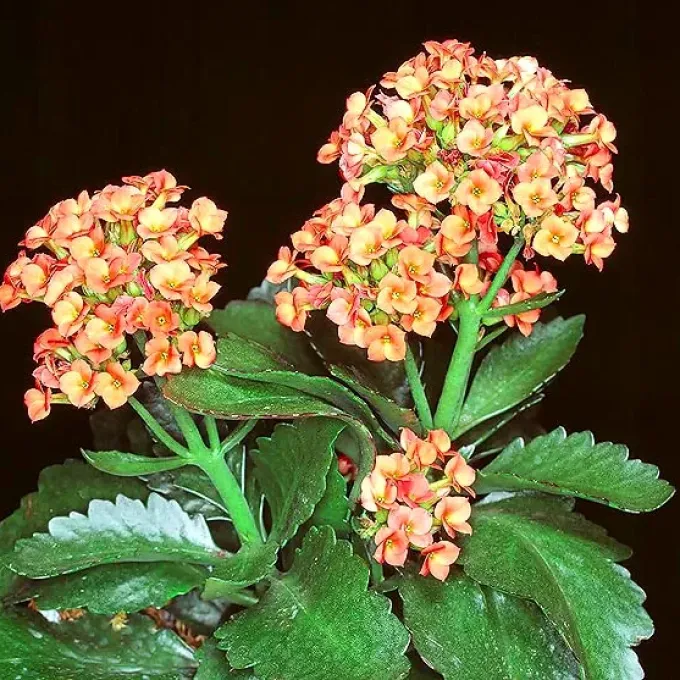
Description
Growing requirements
Kalanchoe globulifera is a perennial succulent belonging to the Crassulaceae family. Originating from Madagascar, this species has evolved to thrive in arid environments with rocky, well-draining soil structures.
The plant features fleshy leaves adapted to store water, which is a hallmark of the Kalanchoe genus. Its growth habit is typically compact, making it an excellent candidate for controlled environment agriculture and commercial nursery production.
In terms of environmental requirements, it demands bright, indirect light to maintain its structural integrity and leaf coloration. Direct, intense sunlight can scorch the leaves, while insufficient light leads to leggy growth and reduced vigor.
Soil composition is critical for this crop. A porous substrate that allows for rapid drainage is essential. A mixture of peat, perlite, and coarse sand provides the necessary aeration to prevent anaerobic conditions in the root zone.
Temperature management should prioritize moderate ranges between 18°C and 25°C. The crop is sensitive to frost and extreme cold, requiring climate-controlled greenhouses during winter months to sustain metabolic processes without damage.
Main diseases and pests
The most common disease affecting this species is root rot, typically caused by overwatering or poor drainage. Pathogenic fungi thrive in saturated substrates, leading to rapid tissue death in the root and stem bases.
Mealybugs are the primary pest concern. These insects cluster in leaf axils, extracting nutrients and secreting honeydew, which can further attract secondary fungal infections such as sooty mold.
Spider mites can also become problematic under low humidity conditions. They cause stippling on the leaves and can lead to significant aesthetic and physiological degradation if left untreated by appropriate acaricides.
Cultural control remains the most effective strategy against pests and diseases. Ensuring adequate spacing between plants improves airflow, which significantly reduces the risk of fungal outbreaks and minimizes the breeding grounds for soft-bodied insects.
Proactive monitoring is essential for large-scale operations. Implementing an Integrated Pest Management (IPM) program that includes regular scouting and biological control agents can significantly lower the reliance on chemical inputs.