
Kalanchoe fedtschenkoi
Kalanchoe fedtschenkoi
Description
Growing requirements
Kalanchoe fedtschenkoi is a perennial succulent species belonging to the Crassulaceae family. Native to Madagascar, this plant has adapted to rocky and arid environments, making it a robust choice for xeriscaping or indoor pot culture.
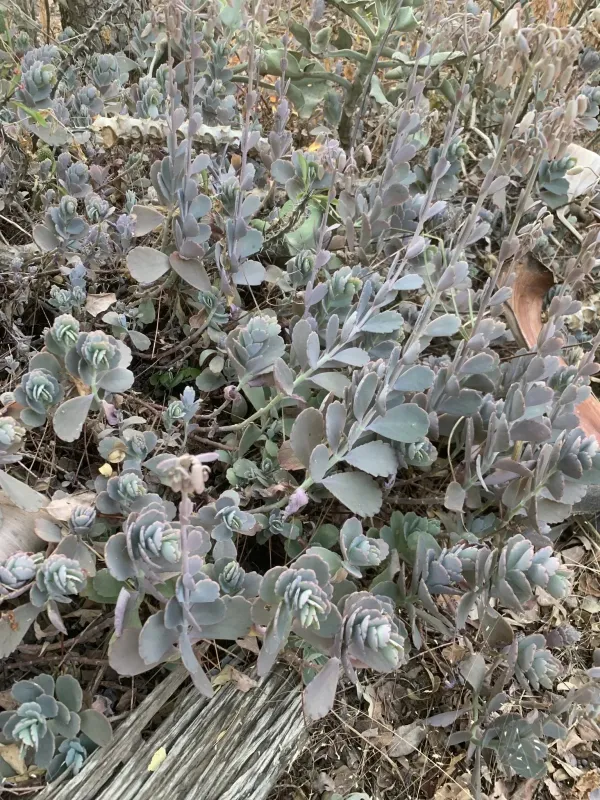
Botanically, it is characterized by its succulent, glaucous leaves with scalloped margins. When exposed to high light intensity, the leaves often display attractive pink or purple hues along the edges, adding to its ornamental value.
The plant thrives in well-draining soil mixes, typically consisting of potting soil amended with coarse sand or perlite. Proper drainage is the most critical factor in successful cultivation to prevent root suffocation.
Regarding light, it requires bright, indirect sunlight for optimal growth. Excessive exposure to intense midday sun can cause leaf scorch, while insufficient light leads to leggy growth and loss of vibrant coloration.
The ideal temperature range is between 18°C and 25°C. During the winter, maintaining a cooler environment around 12–15°C helps induce the plant's natural dormancy and promotes healthier growth in the following season.
Main diseases and pests
The most common disease affecting Kalanchoe fedtschenkoi is root rot, typically caused by overwatering or poor drainage. This fungal issue compromises the root structure, leading to rapid plant decline.
Pests such as mealybugs and spider mites frequently attack the plant, especially in low-humidity environments. These pests feed on sap, weakening the plant and creating entry points for opportunistic pathogens.
Regular monitoring of the leaf undersides and stems is essential for early detection of infestations. Mechanical removal or targeted use of insecticidal soaps can effectively manage these pest populations.
Fungal leaf spots may occur in conditions of high humidity combined with poor air circulation. Improving ventilation around the plants is a key cultural practice to prevent the spread of spores.
Ultimately, preventing stress is the best defense against pests and diseases. Providing the correct balance of light, moisture, and airflow keeps the plant in a vigorous state, naturally enhancing its resistance to common threats.