
Kalanchoe dinklagei
Kalanchoe dinklagei
Description
Growing requirements
Kalanchoe dinklagei is a succulent plant species belonging to the Crassulaceae family. It is native to the island of Madagascar, where it has adapted to survive in rocky and arid environments by storing water in its tissues.
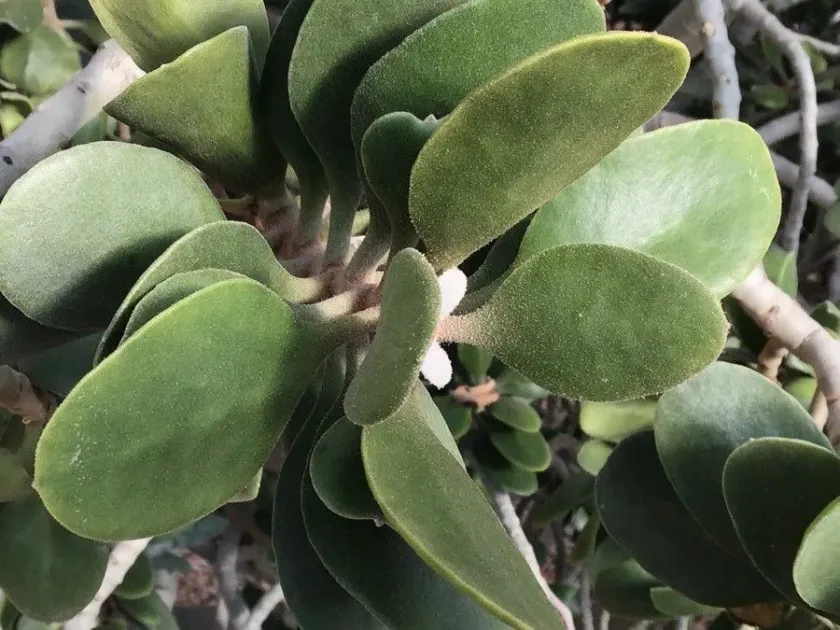
Botanically, this species is distinguished by its unique speckled cylindrical leaves and robust, upright stem structure. During its bloom cycle, the plant produces distinctive tubular flowers that add significant ornamental value to indoor collections.
Optimal growth requires bright, indirect light. While these plants can tolerate some morning sun, exposure to intense afternoon sun should be strictly avoided to prevent sunburn on the foliage which causes permanent aesthetic damage.
The choice of soil is critical for the health of Kalanchoe dinklagei. A well-draining succulent mix, often supplemented with coarse sand or perlite, is essential to ensure that water does not remain trapped around the root system.
Temperature management is straightforward: the plant thrives in standard indoor temperatures ranging from 20°C to 25°C. During the winter, maintaining a cooler environment near 15°C will help induce the necessary dormancy phase for flowering.
Main diseases and pests
Root rot remains the most common threat to this species, almost always resulting from overwatering or inadequate soil aeration. Once the roots begin to decay, it is often difficult to save the plant without propagation from healthy cuttings.
Mealybugs are frequent pests that congregate in the crevices of the stem and leaf axils. These pests are easily identified by the white, waxy substance they secrete, which acts as a protective shield against direct contact treatments.
Spider mites are another common issue, especially in environments with very low humidity. These pests thrive in dry conditions and can cause the foliage to become stippled and discolored if left untreated for long periods.
Aphids can occasionally infest new growth and flower buds, significantly hindering the plant's development. Gentle washing with a mild insecticidal soap is usually sufficient to manage these infestations without harming the plant.
Fungal infections can occur if the leaves are kept continuously wet. To prevent these issues, always water at the base of the plant and ensure there is adequate air circulation within the growing area to allow the foliage to dry rapidly.