
Eastern red cedar
Juniperus virginiana L.
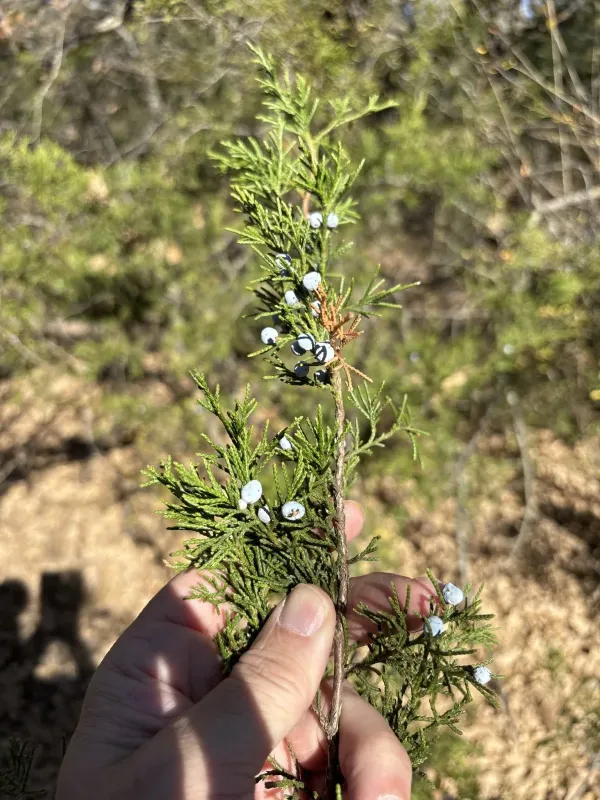
Description
Sowing dates
Propagation of Juniperus virginiana from seeds requires a period of cold stratification, which is essential to trigger successful germination of the embryos.
Seedlings should be sown in a well-draining medium in early spring after the risk of severe frost has passed to encourage vigorous growth.
Vegetative propagation via cuttings is the standard industrial method to ensure genetic uniformity and consistency in the desired plant morphology.
Cuttings are usually taken from semi-hardwood shoots during late summer, treated with rooting hormones, and placed in a controlled humidity environment.
Proper aeration of the nursery beds is critical during the initial rooting phase to prevent rot and promote a healthy vascular system in the young plants.
Growing requirements
The Eastern red cedar is a resilient member of the Cupressaceae family, known for its ability to thrive in a diverse range of environmental conditions.
It prefers full sun exposure, which is necessary to maintain the density and coloration of the foliage and to prevent the lower branches from dying back.
While the tree is highly drought-tolerant once established, young saplings require consistent moisture during their first few seasons of growth.
Soil requirements are relatively modest, as the species performs exceptionally well in dry, limestone-based, or slightly acidic, rocky soils.
The species exhibits impressive hardiness against extreme winter temperatures, making it a reliable choice for reforestation and windbreak projects.
Main diseases and pests
Cedar-apple rust is one of the most significant fungal diseases affecting this species, characterized by orange galls that appear during moist spring conditions.
Insect pests such as spider mites and juniper scale insects can cause severe foliage damage, leading to reduced photosynthesis and overall tree decline.
Bagworms are another common threat that feeds on the needles, often creating noticeable webbing and debris-covered nests throughout the crown.
To mitigate disease pressure, it is important to implement a pruning program that enhances airflow and removes infected or damaged tissue promptly.
Effective management includes regular monitoring and the targeted application of specialized systemic pesticides or fungicides when pest populations reach thresholds.