
East African juniper
Juniperus procera Hochst. ex Endl.
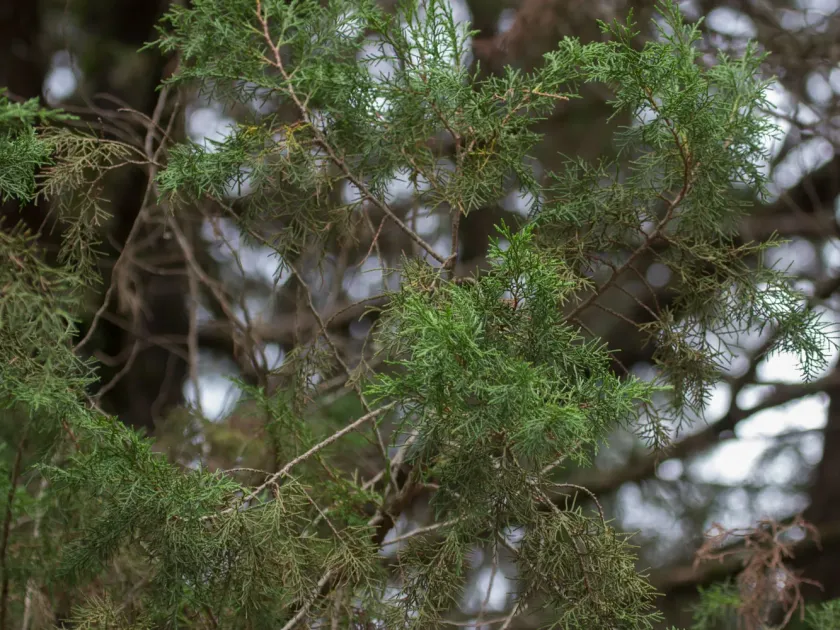
Description
Growing requirements
The East African juniper (Juniperus procera) is a prominent member of the Cupressaceae family, known for its longevity and majestic stature. It is native to the Afromontane regions, growing extensively in the mountains of East Africa and the southern Arabian Peninsula.
In terms of cultivation, this species thrives in well-drained, porous soils that mimic its natural rocky mountain habitats. It is essential to ensure that the planting site has excellent drainage, as the species is highly susceptible to root rot if water stagnation occurs.
The climate requirements for Juniperus procera center on full sun exposure and moderate temperatures. While it is adapted to high-altitude environments with distinct dry seasons, it requires consistent moisture during its juvenile stage to establish a deep root system.
Agrotechnical practices involve careful pruning to maintain structural integrity and air circulation within the canopy. Due to its slow growth rate, the plant is typically propagated via cuttings or specialized nursery techniques to ensure genetic purity and vigor.
Economically, this species is highly valued for its aromatic, reddish-brown wood. It is extensively used in high-quality furniture making, construction, and specialized woodcraft, as the timber is naturally resistant to decay and insect attacks.
Main diseases and pests
The primary threats include fungal pathogens such as needle blight and various species of Phytophthora, which typically infect trees in over-irrigated or poorly ventilated environments. Integrated pest management and proper site selection are critical for mitigation.
Arthropod pests, specifically scale insects and spider mites, can impact the vigor of young saplings. Keeping the trees healthy through proper spacing and regular monitoring ensures they remain resistant to these minor infestations.