
Phoenicean juniper
Juniperus phoenicea L. subsp. turbinata (Guss.) Nyman
Description
Growing requirements
The Phoenicean juniper is an evergreen shrub or small tree belonging to the Cupressaceae family. This subspecies is particularly noted for its natural resilience and ability to thrive in harsh, saline-rich coastal environments of the Mediterranean region.
The plant exhibits exceptional drought tolerance and performs best in well-draining, sandy, or rocky soils. It is highly adaptable to nutrient-poor substrates, making it an excellent choice for stabilizing dunes and preventing soil erosion.
Regarding climatic requirements, it thrives under full sun exposure and is well-adapted to hot, dry summers and mild winters. It is highly intolerant of waterlogged soil conditions, which can lead to rapid root decay and death.
Agronomic management is minimal, focusing mainly on selecting a site with high solar radiation and low soil moisture retention. No special fertilization regimes are usually required for established plants in their native habitat.
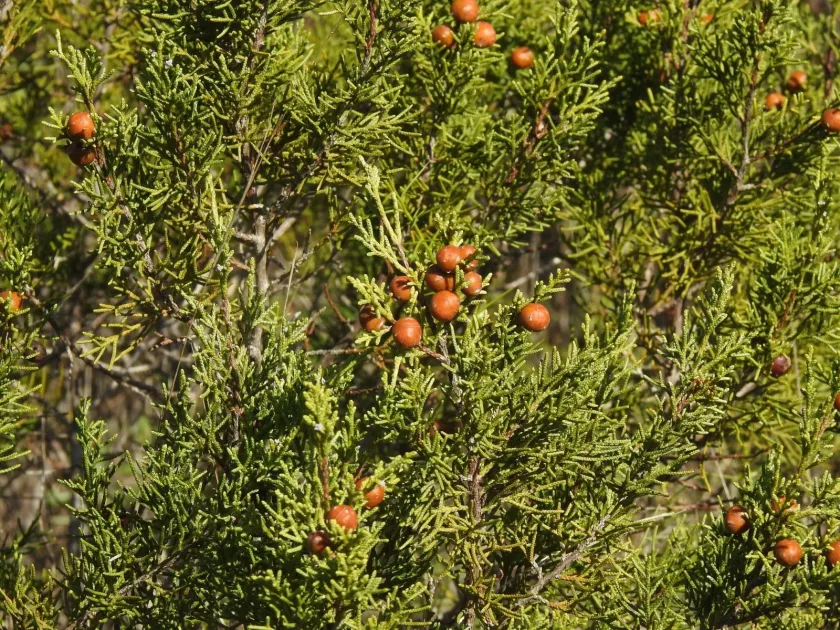
Its botanical structure includes small, scale-like leaves and distinct globose cones that turn reddish-brown upon maturity. These features contribute to its high ornamental value in xeriscaping and sustainable landscape design projects.
Main diseases and pests
The primary threats to this species include fungal pathogens that thrive in overly humid conditions. Diseases like juniper rust and root rot are common if the soil drainage is insufficient or if air circulation around the canopy is poor.
Insect pests such as spider mites, scale insects, and various types of aphids can colonize the branches, leading to needle yellowing and stunted growth. The larvae of certain juniper-specific moths can also cause damage to new buds.
Integrated pest management involves regular monitoring of the foliage and timely application of insecticides when necessary. Maintaining a balanced environment with proper spacing helps to naturally deter most major pest infestations.
Fungal control involves the application of appropriate fungicides during the growing season, particularly if the local climate becomes unusually wet. Pruning and removing dead or infected wood is crucial to prevent the spread of spores.
Preventive care through proper planting site selection is the most effective way to avoid disease. By ensuring the plant remains stress-free, its natural defense mechanisms against insects and fungi remain robust and effective.