
Japanese mugwort
Artemisia princeps Pamp.
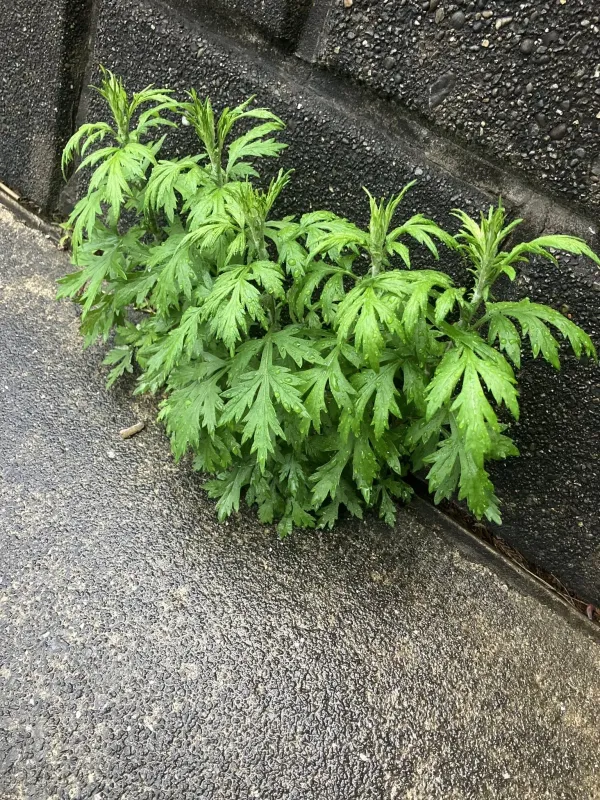
Description
Sowing dates
Japanese mugwort, botanically known as Artemisia princeps, is a resilient perennial herb belonging to the Asteraceae family. It is widely recognized in East Asia for its culinary and medicinal applications, commonly referred to as 'yomogi'.
The most effective method for establishing a crop is vegetative propagation using rhizome cuttings. This ensures rapid establishment and uniform growth across the field, as the plant spreads aggressively through its root system.
Planting is best performed in early spring once the danger of hard frost has passed and the soil begins to warm. Digging trenches or holes at 30–40 cm intervals provides adequate space for the plants to thrive as they expand.
If starting from seeds, they should be sown indoors in late winter. Seeds require cold stratification to break dormancy; therefore, placing them in a refrigerated environment for a few weeks before sowing significantly improves germination rates.
Once established, the plants require minimal intervention. However, it is advisable to clear the plot of competing weeds during the first few weeks to allow the mugwort to gain a competitive advantage in the early stages of development.
Growing requirements
This species thrives in sunny locations but demonstrates a remarkable ability to tolerate partial shade. While full sun encourages the production of essential oils, shade can result in more tender leaves, which are preferred for certain culinary uses.
The plant is highly adaptable to various soil types, including sandy, loamy, and clay-based soils, provided they are well-drained. It does not tolerate waterlogged conditions, which can lead to root rot and poor overall plant health.
Regarding climate, Artemisia princeps is extremely hardy and can withstand a wide range of temperature fluctuations. It is well-suited to temperate zones where it experiences a distinct winter dormancy before sprouting again in the spring.
Fertilization is rarely necessary if the soil is rich in organic matter. However, applying a light dose of compost in early spring can boost vegetative biomass production, which is essential for growers focused on high-yield harvests.
Maintenance of the growing environment should focus on preventing overcrowding. Ensuring proper air circulation between plants is vital, especially in humid conditions, to prevent the onset of fungal infections on the lower foliage.
Yield
The yield of Japanese mugwort is determined by the frequency of harvesting throughout the growing season. In optimal conditions, farmers can achieve multiple cuttings, starting from late spring and continuing through early autumn.
The most productive yields occur during the second and third years of growth. As the rhizome network matures, the plant produces a denser canopy of stems, allowing for a higher volume of harvest per square meter of cultivation area.
Commercial harvest should target the tender tips of the stems before the plant begins its transition into the flowering stage. Once the plant enters the reproductive phase, the stems become woody and lose the delicate flavor profile required for tea or culinary use.
Efficient management of the harvest schedule is key to maximizing profits. By cutting back the plants regularly, growers encourage the continuous emergence of soft, new shoots, which command the highest market price for fresh produce.
Post-harvest processing involves rapid drying in ventilated, dark areas to preserve the characteristic deep green color and aromatic properties. Properly dried material can be stored for months without significant loss of quality.
Main diseases and pests
Japanese mugwort is naturally equipped with potent phytochemicals, which provide strong protection against most common garden pests. Its intense scent acts as a natural deterrent, making it a valuable addition to integrated pest management systems.
The primary concern for growers is powdery mildew, which may appear as a white, dusty layer on leaves during periods of high humidity and poor airflow. Preventive measures include proper spacing and timely pruning to keep the canopy open.
Root rot is the most significant threat related to poor soil management. Ensuring adequate drainage and avoiding over-irrigation are the best strategies to maintain the integrity of the root system and prevent pathogen development.
In rare instances, infestations of aphids may occur on the tender growth tips. These can usually be managed using organic soaps or neem oil, which are safe for use on plants intended for food and tea production.
Overall, Artemisia princeps is an extremely low-maintenance crop. By prioritizing site selection and ensuring the soil is not overly compacted, farmers can avoid most of the common threats associated with intensive herbaceous plant cultivation.
Harvesting
Harvesting is best performed in the early morning when the dew has dried but the plant is still cool. Using a sharp, sterilized blade to make clean cuts prevents damage to the crown of the plant, which is crucial for regrowth.
For high-quality fresh market sales, only the top 10 to 15 centimeters of the stems are harvested. These sections contain the highest concentration of tender, flavorful leaves and are the most desirable for both chefs and herbalists.
Immediate handling after harvest is essential to prevent wilting. If the product cannot be sold fresh immediately, it should be kept in a cool environment or processed into dried form to ensure its quality remains consistent.
Packaging for dried products should be airtight and opaque to prevent moisture re-absorption and degradation of chlorophyll by UV light. This ensures a shelf-stable product that retains its medicinal and culinary potential.
Crop residue remaining after the harvest can be incorporated back into the soil as organic amendment. Its inclusion in compost helps to return essential minerals and nutrients to the ecosystem, supporting soil vitality for the next cycle.