
Japanese barberry
Berberis thunbergii DC.
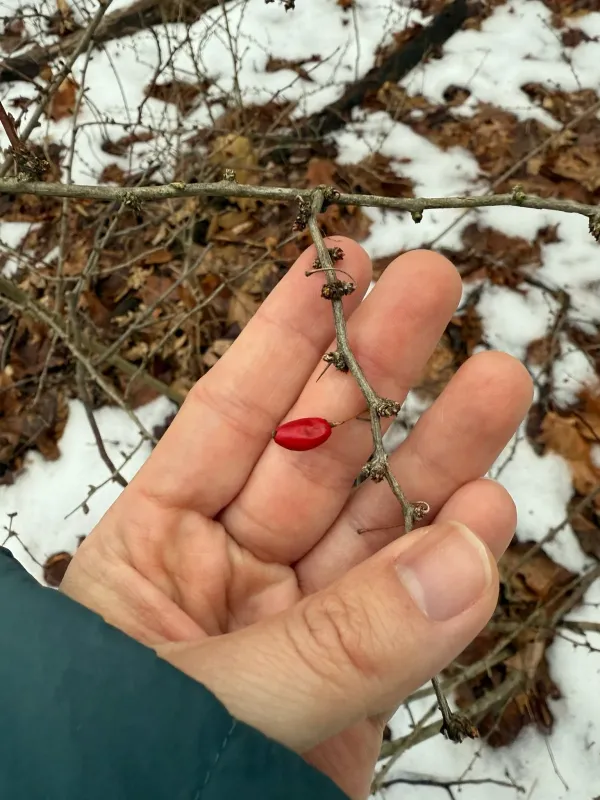
Description
Sowing dates
Propagation of Berberis thunbergii can be achieved through seeds or vegetative cuttings. Seeds should be collected in autumn and require stratification at temperatures between +1 and +5 degrees Celsius for about three months to break dormancy.
Sowing in open ground is typically done in the autumn for natural stratification. Seeds should be planted at a depth of 1-2 centimeters in well-drained, loose soil to facilitate uniform germination in the spring.
Vegetative propagation via softwood cuttings is the preferred method for commercial nurseries to maintain specific cultivars' color and habit. Cuttings are taken in mid-summer during the active growth phase.
High humidity and consistent temperatures are essential for successful rooting. Greenhouse conditions with a misting system provide the optimal environment for young cuttings to develop a healthy root system before winter.
Transplanting young seedlings into the garden should be done when the root system is well-developed. Plants grown in containers have the highest success rate due to minimal root disturbance during the planting process.
Growing requirements
Berberis thunbergii, a member of the Berberidaceae family, is a deciduous shrub native to Japan. It is highly valued in horticulture for its vibrant leaf colors, ranging from green to deep burgundy and golden hues.
The plant thrives in full sun, which is necessary to maintain the intensity of its foliage color. While it is adaptable to various soil types, it performs best in well-drained, slightly acidic to neutral soils.
Watering requirements for the Japanese barberry are moderate; once established, the shrub shows significant drought tolerance. However, during periods of extreme heat, supplemental watering ensures better overall health.
The species is remarkably winter-hardy and requires no special protection in temperate climates. Its dense growth habit makes it an excellent candidate for formal hedges, barriers, and accent plantings in modern landscapes.
Routine maintenance includes annual spring pruning to remove deadwood and maintain the desired shape. The plant responds exceptionally well to shearing, allowing for precise topiary and hedge management.
Main diseases and pests
Powdery mildew is a common fungal issue that presents as a white, powdery film on the leaves. Improved air circulation through proper spacing and pruning significantly reduces the risk of infection.
Rust diseases can occur in humid environments, leading to leaf discoloration and drop. Fungicidal treatments are effective, but removing infected branches early is critical to preventing the spread within the garden.
Aphids are the most frequent insect pests, often attacking new, tender shoots. Infestations can be managed with horticultural soaps or mild systemic insecticides applied during the early growth stages.
The barberry moth and sawfly larvae can consume foliage, causing significant cosmetic damage if left unchecked. Regular visual inspections are recommended during the spring and early summer months.
Maintaining a healthy, stress-free plant is the best defense against pests and diseases. This includes balanced fertilization and avoiding overhead irrigation, which can create conditions favorable for fungal growth.