
Korean barberry
Berberis koreana Palib.
Description
Growing requirements
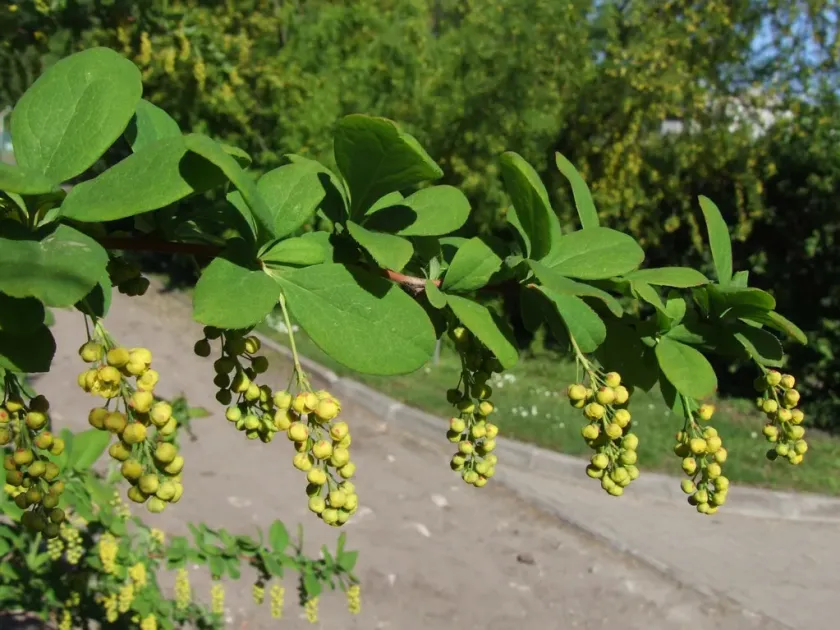
Korean barberry (Berberis koreana Palib.) is a deciduous shrub species belonging to the Berberidaceae family. Native to the Korean Peninsula, this plant is valued in horticulture for its distinct architectural form, vibrant autumn colors, and persistent ornamental fruits.
The shrub thrives in full sun, which is essential for developing its characteristic leaf coloration. While it possesses remarkable cold hardiness, protecting the plant from harsh, drying winter winds is recommended to preserve the integrity of the young shoots.
Regarding soil conditions, Berberis koreana prefers well-drained, fertile loamy soils. It is highly intolerant of waterlogged conditions, which can lead to root rot. If the native soil is heavy, incorporating organic matter and sand can significantly improve the drainage profile.
Agricultural maintenance involves annual spring pruning to remove dead wood and maintain a dense, attractive shape. While established plants are drought-tolerant, supplemental irrigation during prolonged dry spells is beneficial for sustaining vigorous growth.
Landscape applications include planting in hedges, borders, or as a focal point in ornamental gardens. Its spines also serve a functional purpose, creating natural barriers that are both aesthetically pleasing and effective for property zoning.
Main diseases and pests
Powdery mildew is a common fungal threat to Korean barberry, particularly in humid or stagnant air environments. Enhancing air circulation through proper spacing and pruning is the primary cultural control method.
Rust diseases can occur if the plant is grown in unfavorable conditions. It is advisable to monitor the foliage throughout the growing season and apply sulfur-based fungicides if early symptoms of pustules appear.
The barberry aphid is a frequent pest that targets new growth. Monitoring for curled leaves and sticky honeydew residues is essential, with targeted insecticidal soaps being an effective control measure for early infestations.
The barberry moth and various sawfly species may consume leaves, potentially causing severe defoliation if left unchecked. Inspection of the undersides of leaves for eggs or larvae is recommended during late spring.
Effective long-term management includes rigorous sanitation practices, such as removing and destroying infected plant debris. Keeping the area free of weeds reduces potential alternate hosts for various pathogens.