
Warty barberry
Berberis candidula (C. K. Schneid.) C. K. Schneid.
Description
Growing requirements
Berberis candidula, commonly known as the warty barberry, is an evergreen shrub belonging to the Berberidaceae family. Native to western China, this species is highly valued in horticulture for its dense, compact habit and unique foliage characteristics.
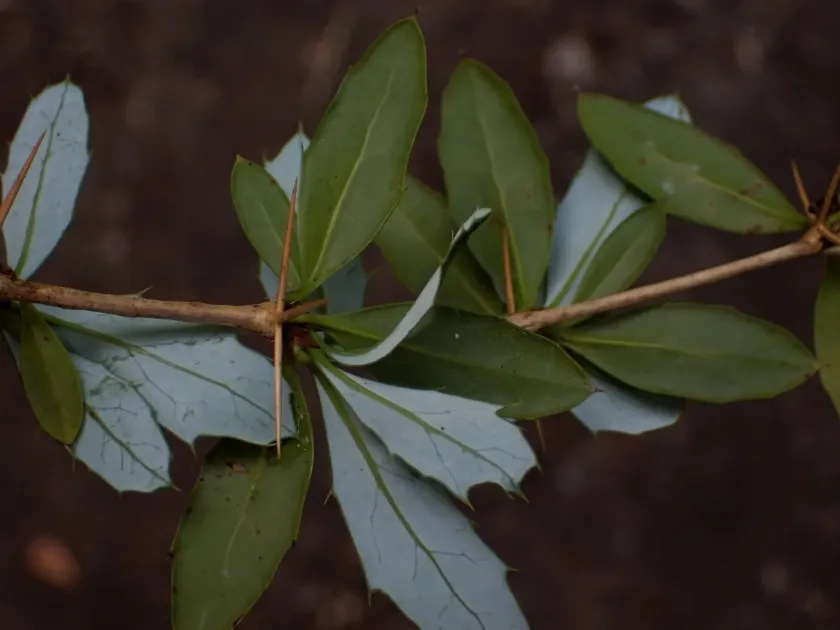
The shrub typically grows to a height of 0.5 to 1 meter. Its leaves are leathery, dark green on the upper surface, and distinctively white or glaucous on the underside, which provides excellent visual contrast against the deep green glossy top side.
For optimal growth, Berberis candidula requires a site with full sun to partial shade. While it is quite adaptable, it thrives best in well-drained, moderately fertile soil conditions. Proper drainage is critical, as this plant is intolerant of waterlogged roots.
The species is known for its relatively slow growth rate, making it a perfect candidate for low-maintenance landscaping projects. It is hardy in various climatic zones, though it benefits from shelter against harsh, drying winds during the winter months.
In terms of agricultural and horticultural utility, it is primarily used as an ornamental plant. Its evergreen nature, sharp spines, and neat form make it an excellent choice for low hedges, foundation plantings, and rock garden design.
Main diseases and pests
The most common disease affecting Berberis candidula is powdery mildew, particularly in environments with poor air circulation or high humidity. Maintaining proper spacing and regular pruning can significantly reduce the incidence of this fungal infection.
Pests such as barberry aphids are known to feed on young stems, leading to stunted growth. If left unchecked, heavy infestations can weaken the shrub, making it more susceptible to environmental stresses and secondary diseases.
Rust diseases can also occur, often appearing as orange or yellow spots on the foliage. Removing infected leaves and applying copper-based fungicides during the early spring can help manage the spread of fungal spores effectively.
Routine maintenance includes removing dead or diseased wood, which serves as a reservoir for pathogens. Clean tools and proper disposal of clippings are essential practices for ensuring the long-term health of the plant.
Overall, warty barberry is a resilient plant. With correct site selection and minimal attention to pest monitoring, it remains a reliable and visually appealing evergreen that enhances garden aesthetics year-round.