
Glaucous-fruited barberry
Berberis glaucocarpa Stapf
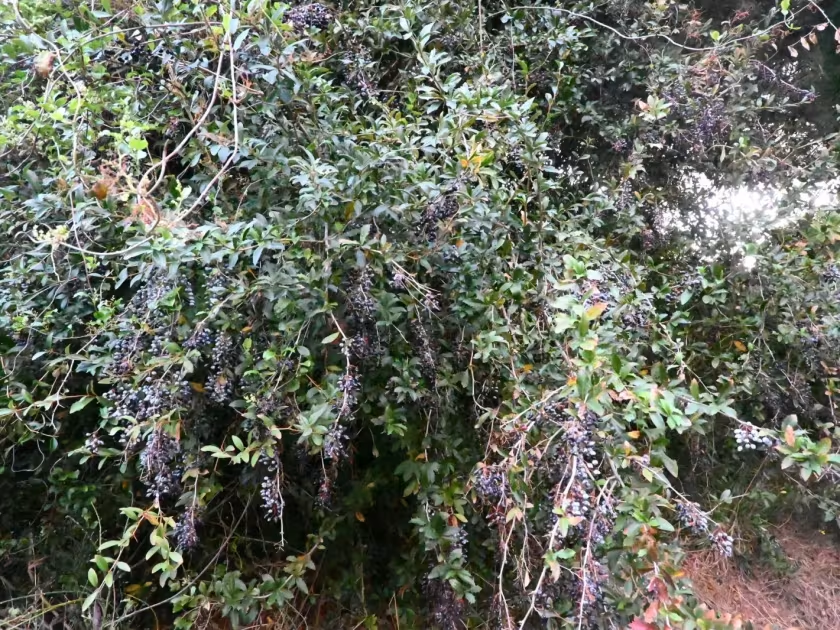
Description
Growing requirements
The Glaucous-fruited barberry (Berberis glaucocarpa) belongs to the Berberidaceae family. It is a robust, upright shrub known for its significant size and the characteristic waxy bloom on its berries.
Originating from the Himalayan regions, this plant is adapted to mountainous climates. It thrives best in temperate zones where winters are not excessively severe, as deep freezing can damage younger shoots.
Regarding soil requirements, this species demands well-drained, fertile soil. It performs best in loam or sandy loam substrates with a neutral pH level, strictly avoiding waterlogged environments.
The plant is highly photophilous and requires full sun exposure to maintain its vigor. Sufficient light is essential for the maturation of the fruit and the development of the characteristic leaf color.
Agricultural management involves routine pruning to maintain plant shape and density. Regular mulching around the base is recommended to conserve soil moisture and prevent competitive weed growth.
Main diseases and pests
The plant is susceptible to common fungal diseases, particularly powdery mildew, which can significantly affect foliage if air circulation around the shrub is inadequate.
Pests such as aphids and various larvae are common threats to the foliage. These pests can reduce the plant's photosynthetic capacity if left untreated throughout the season.
Effective control measures include the application of fungicides and horticultural oils or systemic insecticides specifically targeting the identified pest populations.
Sanitation practices are vital. Pruning away infected branches and removing debris from the base of the plant help reduce the inoculum pressure for the following season.
Integrated pest management, including monitoring and biological controls where possible, is encouraged to maintain the health and longevity of these barberry stands.