
Berberis thunbergii Atropurpurea
Berberis thunbergii DC. var. atropurpurea Chenault
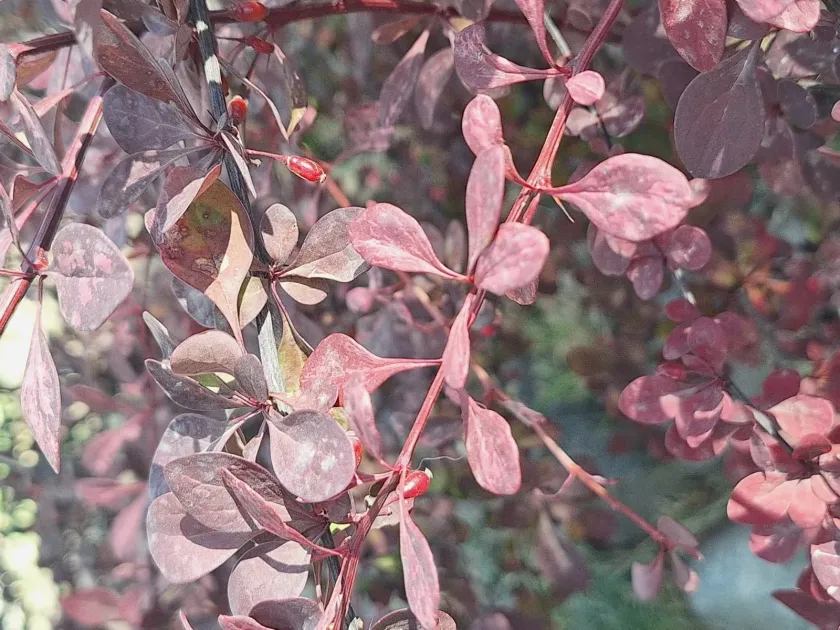
Description
Growing requirements
Berberis thunbergii Atropurpurea is a deciduous ornamental shrub belonging to the Berberidaceae family. Originating from the mountainous regions of Japan and China, this species has become a staple in temperate climate gardens globally due to its striking purple foliage and structural versatility.
Botanically, this shrub is characterized by its compact, thorny growth habit and intense reddish-purple leaves that turn a brilliant scarlet hue in autumn. The plant typically matures to a height of 1.5–2 meters, making it an ideal choice for low-maintenance borders and defensive hedging.
The cultural requirements are straightforward: the shrub thrives in full sun exposure. While it can adapt to various soil types, it performs best in well-drained, slightly acidic to neutral soils. Inadequate sunlight results in less vibrant leaf coloration, as the purple pigments depend on high light levels.
Agronomic practices for this species focus on structural maintenance through pruning. Since the shrub is highly resilient, it requires minimal fertilization, generally benefiting from a balanced granular feed applied in early spring. Regular watering is essential during the establishment phase, though mature specimens show good drought tolerance.
Landscape utilization is widespread, ranging from individual garden specimens to large-scale hedge rows in urban settings. Its ability to withstand pollution and compacted soils makes it a highly valuable candidate for public infrastructure and sustainable gardening projects.
Main diseases and pests
Powdery mildew is the most common fungal issue affecting the foliage, particularly in humid or overcrowded conditions. Management involves improving air circulation through thinning cuts and applying appropriate fungicides during the early stages of the infection.
Rust diseases, specifically those caused by Puccinia species, manifest as reddish spots on the leaves. As a management strategy, avoiding proximity to cereal crops is recommended, as these pathogens often complete their complex life cycles on different host plants.
Pests such as the Japanese barberry aphid can cause significant damage to succulent new growth. Routine monitoring and the application of insecticidal soaps or systemic pesticides are effective means of controlling infestations before they spread across the shrub.
Root pathogens, often triggered by waterlogged soil conditions, can weaken the plant's structural integrity. Ensuring a well-drained planting site and avoiding excessive irrigation are critical components of maintaining a healthy root system throughout the plant's life cycle.
Regular sanitation, which includes the removal of fallen leaves and debris around the base of the plant, reduces the overwintering capacity of both pests and fungal spores. Maintaining plant vigor through optimal nutrition is the best defense against long-term health decline.