
Berberis brachypoda
Berberis brachypoda Maxim.
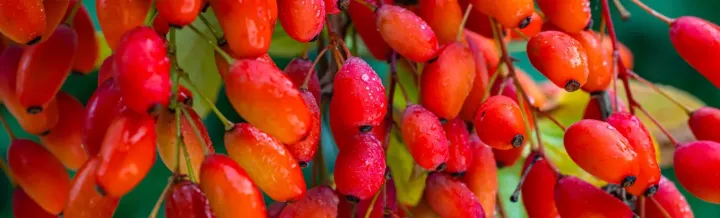
Description
Sowing dates
Propagation of Berberis brachypoda is primarily performed through seed germination or softwood cuttings. Seeds require a mandatory stratification period of three to four months at temperatures between 1 and 5 degrees Celsius to break dormancy.
Sowing in open ground is most effective in late autumn. Natural winter stratification allows seeds to germinate successfully in the spring. If sowing in spring, seeds must be artificially stratified before being placed in the soil.
Softwood cuttings are taken during the active growth phase, typically in mid-summer. Treating cuttings with rooting hormones significantly improves the success rate when planted in greenhouse conditions with controlled humidity.
When transplanting young shrubs, it is essential to maintain a spacing of at least 1.5 to 2 meters. This distance ensures adequate airflow between plants, which is vital for preventing the development of fungal diseases caused by high humidity.
During the first two years of establishment, young plants require consistent soil moisture. Mulching the root zone is recommended to suppress weeds and maintain soil temperature stability during the initial growth phase.
Growing requirements
Berberis brachypoda belongs to the Berberidaceae family and is native to the mountainous regions of China. As a sun-loving shrub, it thrives best in open, bright locations, which are necessary for both vigorous growth and fruit development.
The plant is not overly demanding regarding soil fertility but prefers well-drained loamy or sandy soils. It shows a strong aversion to waterlogged environments, as stagnant water can lead to root rot and other physiological stressors.
This species exhibits significant drought tolerance once fully established. However, providing supplementary irrigation during prolonged dry spells will prevent leaf scorch and ensure the shrub maintains its intended aesthetic and health.
Cold hardiness is one of the key attributes of this species, making it suitable for a wide range of temperate climates. While young shoots may occasionally suffer from late frosts, the plant shows strong recovery potential during the growing season.
Pruning is an essential part of the agricultural management of this crop. Regular removal of dead, damaged, or overcrowded branches improves crown architecture, light penetration, and overall plant vigor, reducing the need for chemical interventions.
Main diseases and pests
Powdery mildew is the most common fungal threat to this crop. It typically appears during warm, humid periods and can cause significant damage to foliage and young shoots if not managed through proper crown ventilation.
Rust diseases also pose a risk, appearing as orange, spore-filled spots on the leaves. Integrated pest management involves using copper-based fungicides and ensuring that the plantation site has optimal airflow to prevent moisture accumulation.
Insect pests, such as barberry aphids, can cause substantial damage by feeding on young tissue. Early detection and the application of targeted insecticides or biological controls are necessary to maintain plant health throughout the season.
Maintaining a clean site by removing fallen leaves in autumn is a vital sanitation practice. This practice reduces the overwintering population of pathogens and pests, minimizing the risk of outbreaks in the following year.
In cases of severe infestation or infection, surgical removal of the affected parts is required. All waste material should be removed from the field and destroyed to prevent the further spread of disease spores to healthy vegetation.