
Indigofera tinctoria
Indigofera tinctoria L.
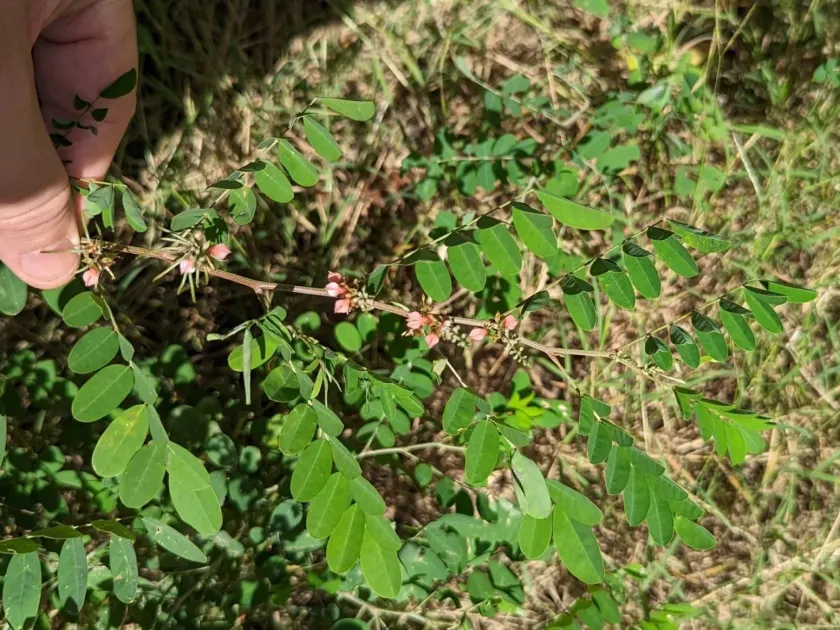
Description
Sowing dates
Indigofera tinctoria is a leguminous shrub primarily cultivated for the extraction of blue indigo dye. Sowing is best performed when soil temperatures consistently reach +20°C or higher to ensure germination.
Seeds often require scarification to improve water absorption, as the hard seed coat can otherwise delay sprouting for several weeks.
In temperate climates, the crop is treated as an annual and started in greenhouses before being transplanted outdoors once the risk of frost has passed.
Sowing in rows with approximately 40–50 cm of spacing between lines allows for proper plant development and facilitates ease of maintenance and harvesting.
The seeds should be planted at a depth of 1–2 cm. Adequate soil moisture is crucial during the germination phase to support the early development of the taproot system.
Growing requirements
This crop demands abundant sunshine to thrive. High light intensity is a direct driver of the metabolic processes that produce indigo precursors within the leaves.
Well-drained sandy or loamy soils are ideal for indigo cultivation. The plant is sensitive to waterlogging, which can easily lead to root rot and diminished vitality.
Although the plant is remarkably drought-tolerant once established, supplemental irrigation is necessary to maximize vegetative growth during peak summer months.
The optimal temperature range for growth is between +25°C and +35°C. Development slows down significantly if temperatures drop below +15°C.
Maintaining a neutral soil pH and providing adequate potassium and phosphorus levels are standard agronomic requirements for high-quality leaf production.
Yield
Yield is measured by the volume of green leaf biomass collected per unit area. In tropical climates, multiple harvests can be achieved in a single growing season.
Harvesting usually occurs twice or three times per year, depending on soil fertility and the frequency of water application throughout the growth cycle.
The plant should be harvested just before flowering begins, as this is the precise moment when the concentration of the dye precursor indican is at its peak.
Post-harvest efficiency is vital; the cut biomass must be processed within a few hours to prevent degradation of the indican content due to premature oxidation.
The final yield of dye depends heavily on the efficiency of the fermentation and extraction technology used to precipitate the indigo powder.
Main diseases and pests
The most significant threats to Indigofera tinctoria are fungal root diseases caused by excessive soil moisture and poor field drainage systems.
Pests such as aphids and leaf-eating beetles can cause substantial damage to the foliage, which is the primary economic component of the plant.
Root-knot nematodes are also a known challenge, particularly in soils where the crop has been grown continuously without proper rotation.
Integrated pest management strategies are recommended to reduce reliance on chemicals, ensuring the final dye product remains suitable for eco-friendly textile applications.
Proper field hygiene, including the removal of infected plants and debris, helps minimize the spread of pathogens throughout the plantation.
Harvesting
The harvesting process involves cutting the stems about 10–15 cm above the ground. This method ensures that the plant can regrow for subsequent harvests within the season.
Early morning harvests are preferred because the leaves have the highest moisture content and are at their peak metabolic state after the overnight rest.
The harvested material must be moved quickly to the processing facility to ensure that the fermentation process begins while the leaves are still fresh.
Regular maintenance, including weeding and light fertilization after each cut, is necessary to support the rapid regeneration of new shoots.
The biomass is checked for quality, ensuring only healthy, green leaves free of severe pest damage or discoloration are sent to the vats for processing.