
Hairy Indigo
Indigofera hirsuta L.
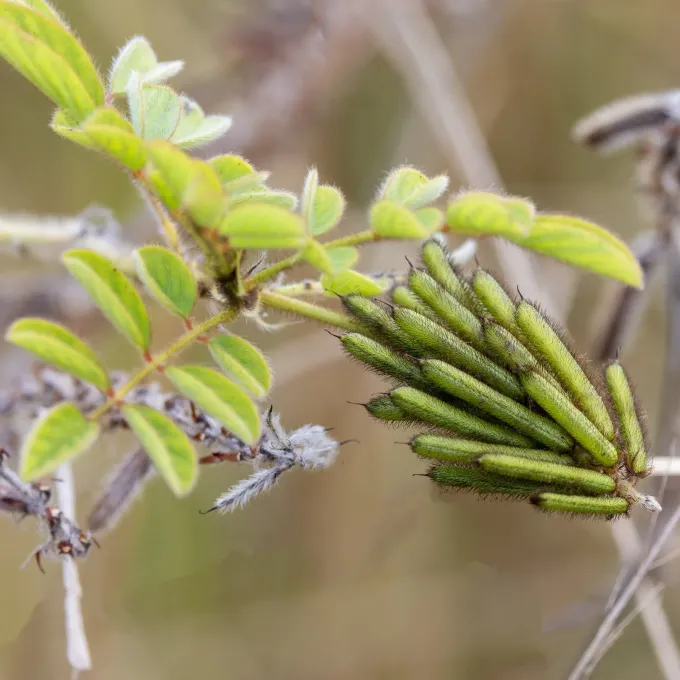
Description
Sowing dates
Planting should be timed to match the onset of consistent warm weather. Seeds require adequate soil moisture and temperatures above 20 degrees Celsius to initiate germination and ensure rapid establishment of the root system.
Uniform spacing and proper sowing depth are critical for maximizing yield. It is recommended to clear the seedbed of existing vegetation to provide young seedlings with the space and sunlight they need to develop their initial foliage without competitive pressure.
Growing requirements
The plant performs best in well-drained soils, ranging from sandy textures to more structured loams. While it is tolerant to low fertility, soil drainage is a key factor, as the plant does not perform well in waterlogged areas or stagnant groundwater conditions.
Full sun exposure is a non-negotiable requirement for optimal growth. Insufficient light results in etiolated plants with weak stems and significantly reduced biomass, which negatively impacts both forage yield and the efficiency of nitrogen fixation.
Yield
The yield of Hairy Indigo is highly dependent on climate and soil quality. Under ideal conditions, it can produce substantial green matter within a single season, providing multiple cuttings or grazing cycles before the plant reaches full maturity and starts setting seeds.
High protein content in the foliage makes it a nutritious option for livestock feed. Growers often aim to harvest before the plant turns too woody, ensuring maximum nutritional value and palatability for grazing animals.
Main diseases and pests
The main threats to Hairy Indigo include fungal leaf spots and root pathogens, especially if the crop is planted on land with poor drainage. Insects, such as beetles and defoliating larvae, can also cause significant damage during the peak growing season.
Effective management includes selecting well-ventilated, well-drained fields and maintaining appropriate plant density. Early detection and monitoring are essential to manage potential infestations before they affect the overall stand health.