
Indigofera amblyantha
Indigofera amblyantha Craib
Description
Sowing dates
Sowing Indigofera amblyantha seeds requires a prior scarification process to break the seed coat dormancy, which significantly improves germination rates. Seeds should be sown in spring when the soil temperature consistently reaches 15-18 degrees Celsius.
When starting indoors, sowing should occur in late winter or early spring using a well-draining seed-starting mix. Seeds should be covered lightly with soil and kept in a warm environment until emergence.
Vegetative propagation via semi-hardwood cuttings is a reliable method for cloning specific specimens. Cuttings should be taken in the summer and placed in a rooting medium with high humidity.
Preparing the soil for sowing involves ensuring it is loose, friable, and free of large debris. Incorporating a small amount of compost helps provide the necessary nutrients for the initial growth phase.
Consistent moisture levels must be maintained during the seedling stage. Once the plants develop their first true leaves, they can be gradually hardened off before permanent transplanting into the garden.
Growing requirements
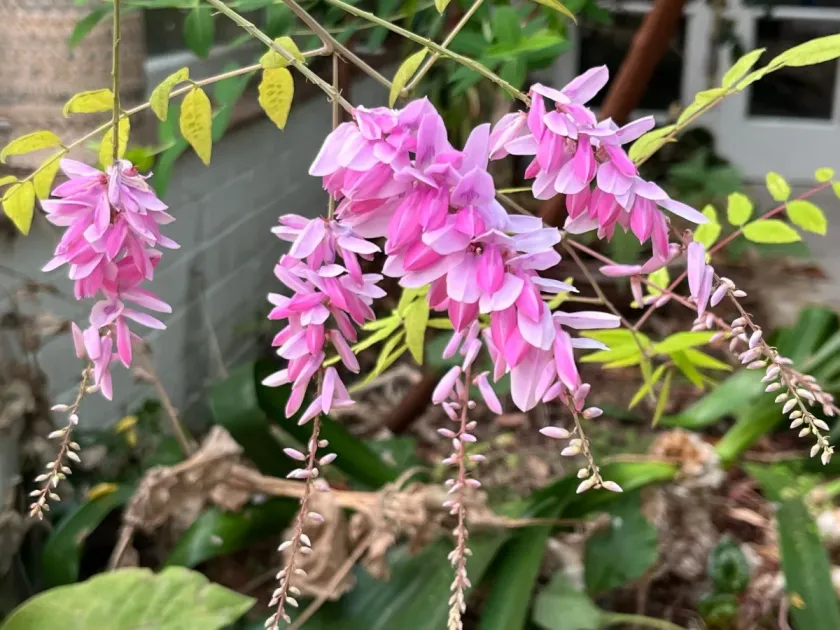
Indigofera amblyantha is an attractive deciduous shrub belonging to the Fabaceae family. It is native to regions in China and is valued for its elegant, pinnate foliage and long racemes of pinkish-purple flowers.
This species thrives in full sun exposure, which is essential for maximizing flower production. While it can tolerate partial shade, the plant will appear less compact and produce fewer blossoms in lower light conditions.
Soil requirements are relatively straightforward, as the plant prefers well-draining, moderately fertile soil with a neutral to slightly acidic pH. Heavy clay soils should be amended to prevent root rot.
Watering should be balanced; while young plants need frequent moisture to establish their root systems, established shrubs are relatively drought-tolerant. Drainage is the most critical factor for plant longevity.
Pruning is a vital aspect of its maintenance. By cutting back the previous season's growth in early spring, gardeners can encourage robust new shoots that will bloom throughout the summer months.
Main diseases and pests
Indigofera amblyantha is generally resistant to pests and diseases, provided it is grown in suitable environmental conditions. Poor drainage remains the primary threat, as it often leads to root fungal issues.
Aphids may occasionally infest tender new growth during periods of rapid development. Monitoring the plant regularly allows for early intervention, often using simple organic soap sprays or neem oil.
Powdery mildew can occur in areas with poor airflow and high humidity. Ensuring proper spacing between plants during the initial planting phase is the best preventive measure against this fungus.
Spider mites are potential pests during exceptionally hot and dry summers. Increasing ambient humidity around the plant through occasional misting can help deter these pests from establishing colonies.
To ensure healthy growth and disease resistance, avoid excessive nitrogen fertilization in the autumn, as this forces late-season growth that is highly susceptible to frost damage.