
Indigofera kirilowii
Indigofera kirilowii Maxim. ex Palibin
Description
Growing requirements
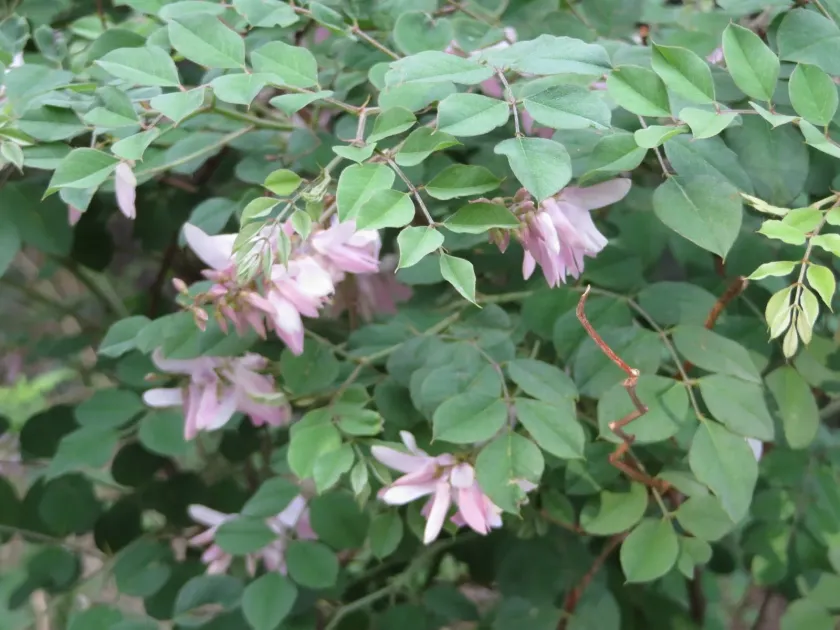
Indigofera kirilowii is a deciduous shrub belonging to the Fabaceae family, originating from East Asia. It is highly regarded for its attractive pinnate foliage and long, showy racemes of pink-purple flowers that bloom during the summer months.
The plant typically grows up to 1.5 meters in height, featuring a spreading habit that makes it an excellent choice for garden borders. As a legume, it contributes to nitrogen fixation, which can improve soil fertility in the planting area.
For optimal growth, this species requires a location with full sun exposure and well-drained, fertile soil. It prefers a slightly acidic to neutral pH and cannot tolerate waterlogged conditions, which can be detrimental to its root health.
In terms of climate, it thrives in temperate regions but requires protection during harsh winters, especially for young specimens. Proper mulching around the base of the plant is recommended to insulate the root system against freezing temperatures.
Agricultural management involves regular watering during dry spells and annual pruning to maintain a desirable shape and promote vigorous flowering. It is an ideal plant for stabilizing slopes and providing a decorative element in diverse landscapes.
Main diseases and pests
Indigofera kirilowii is generally robust and displays a good level of resistance to most common plant diseases. However, improper site selection, particularly in humid and poorly ventilated areas, may lead to the development of fungal infections.
Root rot is the most common issue associated with excessive soil moisture. To prevent this, it is essential to ensure excellent drainage at the time of planting and to avoid over-irrigation during the cooler months of the growing season.
Pests such as aphids and spider mites may occasionally infest the plant, particularly during hot and dry weather. Regular monitoring of the foliage is advised, and simple horticultural oils or insecticidal soaps can be used for control.
Sanitation practices, such as removing fallen leaves and dead wood, are crucial for minimizing the risk of fungal spores. Keeping the plant free from competing weeds also reduces the habitat for potential insect pests.
Maintaining the overall health of the shrub through balanced fertilization and correct watering practices is the best way to prevent stress. A healthy plant will naturally be more resilient to environmental threats and pathogen attacks.