
Indigofera potaninii
Indigofera potaninii Craib
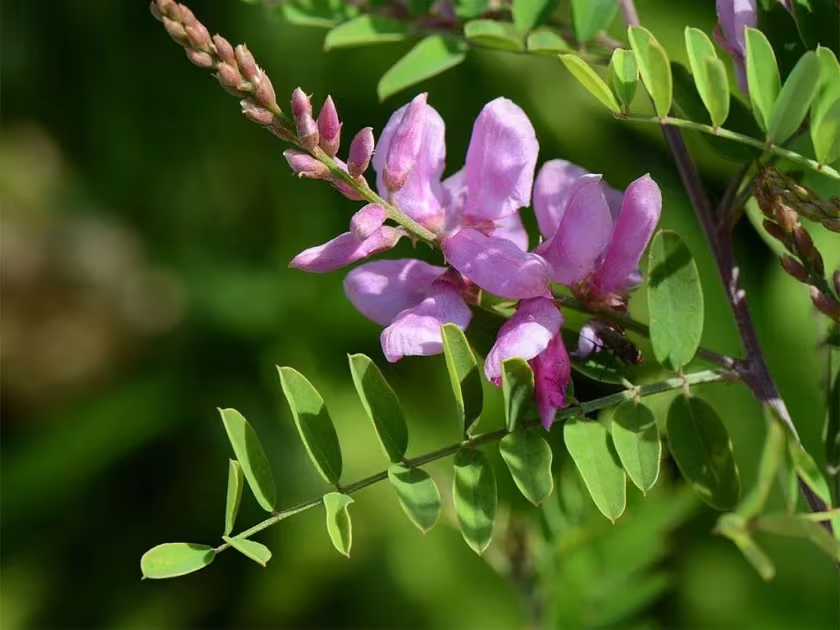
Description
Sowing dates
Indigofera potaninii, a member of the Fabaceae family, is typically propagated via seeds or vegetative cuttings. In temperate climates, sowing is best performed in the spring once soil temperatures have consistently risen above 15 degrees Celsius.
Seed scarification is essential before planting, as the seeds have a hard seed coat that prevents moisture absorption and slows germination. Proper treatment ensures more uniform emergence of seedlings in the seedbed.
Seedlings should be transplanted into open ground after the risk of frost has passed. Planting patterns vary depending on the intended use, but for hedge establishment, a spacing of 60 to 80 centimeters is recommended to allow sufficient room for development.
The site selection should prioritize areas protected from strong, drying winds where the soil warms up efficiently. While autumn sowing is theoretically possible in mild climates, spring is universally preferred for better survival rates of young plants.
The soil should be light, well-draining, and sandy to prevent waterlogging around the root zone. Ensuring the area is free from competitive weeds during the first two years of growth is critical for establishing a vigorous root system.
Growing requirements
Indigofera potaninii is a sun-loving plant that requires full exposure to flourish. Insufficient sunlight will lead to spindly stems and significantly reduced flower production, impacting the plant’s ornamental value.
The plant prefers neutral to slightly alkaline soil conditions. It is highly sensitive to poorly drained soils, so selecting a site with good vertical drainage is vital to prevent root rot and other physiological issues.
While moderately hardy, it may require winter protection in colder regions, particularly for the root crown. During the growing season, moderate but consistent soil moisture is needed, avoiding extreme drought or saturated soil conditions.
Fertilization should be applied in early spring, utilizing phosphorus and potassium-rich fertilizers to support root strength and bloom quality. Excess nitrogen should be avoided to prevent excessive foliage development at the expense of floral display.
Pruning is a fundamental aspect of its maintenance. A light sanitary pruning in early spring, performed before the sap begins to flow, helps keep the shrub healthy and encourages more compact, attractive growth patterns.
Yield
The economic value of Indigofera potaninii is primarily derived from its aesthetic appeal and long-lasting summer blooms. In optimal conditions, the shrub forms dense, attractive foliage with spikes of purple-pink flowers.
As a nectar-producing plant, it serves as an excellent pollinator attractant, benefiting local biodiversity. This makes it a valuable species for planting near apiaries to provide supplementary nectar during the summer period.
The productivity of nurseries is measured by the quality of established shrubs. Healthy, well-rooted specimens are highly sought after by landscape designers for both residential and public garden projects.
Seed harvest requires careful timing; pods must be gathered just before they split to prevent natural seed dispersal. Proper storage in a cool, dry environment ensures high germination rates for future planting cycles.
Due to its deep root system, the species is also utilized for soil stabilization and phytoremediation on slopes. Its role as a soil-building plant is enhanced by the nitrogen-fixing properties common to the Fabaceae family.
Main diseases and pests
Fungal diseases, such as powdery mildew, can affect the plant during periods of high humidity and poor air circulation. Ensuring proper spacing between plants significantly reduces the risk of these pathogens spreading.
Root rot remains a major threat when plants are situated in heavy, waterlogged soils. Prevention is key; site drainage improvement and avoiding over-irrigation are the most effective strategies to manage this risk.
Aphids are the most common pests, often clustering on young, succulent shoots. They weaken the plant by extracting sap, so timely monitoring and the use of systemic insecticides are advised if infestations become severe.
Spider mites can proliferate during hot, dry spells, leading to foliage yellowing and premature leaf drop. Maintaining a healthy microclimate through regular watering helps prevent mite outbreaks during peak summer temperatures.
Sanitation practices, such as removing fallen leaves and pruning away infected branches, play a major role in minimizing the inoculum levels of diseases. Maintaining a clean growing area promotes overall plant vigor and resilience.