
Indigofera pseudotinctoria
Indigofera pseudotinctoria Matsum.
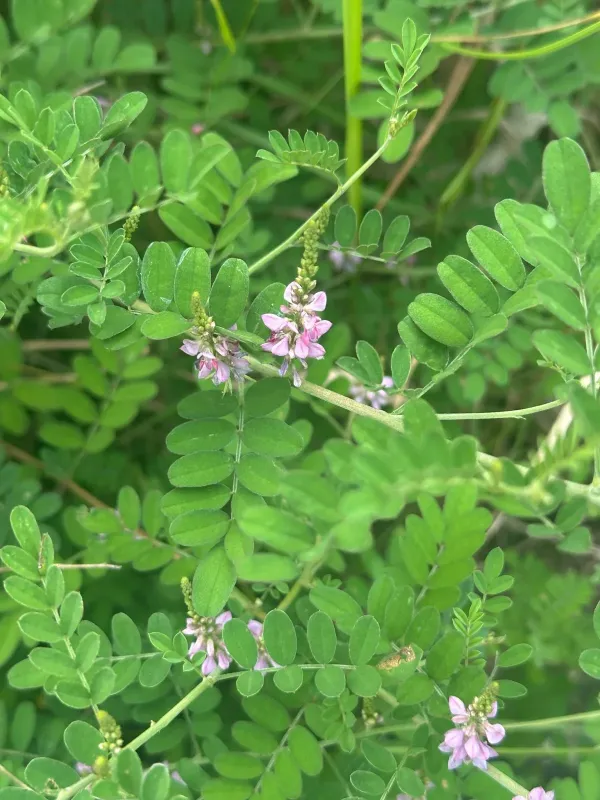
Description
Sowing dates
Indigofera pseudotinctoria is a perennial subshrub belonging to the Fabaceae family. Propagation is primarily achieved through seeds, which are sown in the spring once soil temperatures have consistently reached optimal levels.
To ensure high germination rates, seeds should be sown in well-prepared, loose soil at a depth of 2–3 cm. Pre-soaking or scarification of the seeds can significantly enhance the uniformity of crop emergence.
Rows are typically spaced 45–60 cm apart to provide adequate ventilation and growing space. Proper row spacing is essential to reduce the risk of humidity-related diseases and facilitate mechanical weeding.
Initial growth is relatively slow, making early-stage weed management a critical component of successful plantation establishment. Seedlings require careful monitoring until they achieve sufficient vigor.
The optimal plant population density ranges from 80,000 to 120,000 plants per hectare, depending on local environmental conditions and the intensity of the intended management system.
Growing requirements
Native to East Asia, this species thrives in warm, temperate to subtropical climates. It requires a long growing season to reach its peak development and accumulate sufficient secondary metabolites.
The plant prefers fertile, well-draining sandy loam soils with a neutral to slightly acidic pH. Poorly drained or heavy clay soils should be avoided as they increase the risk of root pathogens.
Sunshine is a critical factor for the synthesis of indigotin. Therefore, the site must receive full sun exposure throughout the day to ensure the highest potential quality of the harvested dye material.
Moisture management is essential; while the plant requires consistent moisture during the active vegetative stage, it is highly sensitive to waterlogging, which can cause rapid root decay.
In regions with colder winters, the crop may require mulching or protective measures, as prolonged exposure to freezing temperatures can be detrimental to the longevity of the plant.
Main diseases and pests
The crop is susceptible to fungal diseases such as Fusarium wilt and powdery mildew, particularly in humid environments where air circulation between the plants is insufficient.
Insect pests, including spider mites and various leaf-eating beetles, pose a significant threat. These pests can cause substantial damage to the foliage, which is the primary source of the dye.
Integrated pest management (IPM) practices, such as crop rotation and the use of botanical insecticides, are highly recommended to keep pest populations below the economic injury level.
Removing infected plant debris immediately after discovery is a crucial prophylactic measure to prevent the rapid spread of pathogens within the field.
Monitoring for signs of nutrient deficiency or moisture stress is also important, as stressed plants are significantly more vulnerable to both insect and fungal attacks.
Harvesting
The harvest occurs during the peak flowering stage, which is the period when the leaves contain the highest concentration of pigments. Timing this stage correctly is essential for commercial viability.
The plants are mown at a height of approximately 10–15 cm from the ground, allowing the plant to regenerate for subsequent cuts within the same growing season if weather permits.
Immediate post-harvest processing is required. The green biomass should be dried in a shaded, well-ventilated area to prevent degradation of the active dye components by direct UV radiation.
Once dried, the foliage is processed through fermentation methods to extract the indigo pigment, which is then purified and dried into a final commercial form.
Proper storage of the dry raw material is vital; it must be kept in airtight, light-proof containers in a cool, dry environment to maintain the stability of the pigment for a longer period.