
Himalayan indigo
Indigofera himalayensis Ali
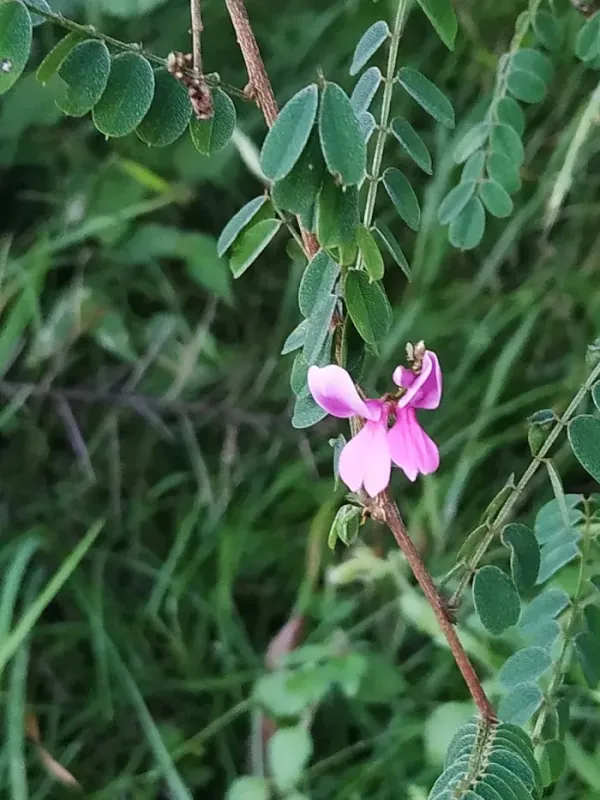
Description
Growing requirements
Himalayan indigo (Indigofera himalayensis) is a perennial deciduous shrub belonging to the legume family (Fabaceae). Originating from the Himalayan regions, this plant is well-adapted to temperate mountainous climates, preferring mild winters and sufficient moisture during its growth cycle.
The plant thrives in well-drained, light sandy loam soils. It is particularly sensitive to soil compaction and waterlogging, so selecting a site with good natural drainage or installing an artificial drainage system is essential to prevent root diseases and ensure vigorous development.
As a heliophilic species, it requires full sun exposure to maintain its compact growth habit and maximize flowering. Insufficient sunlight results in leggy branches and decreased overall plant vitality, which may affect the concentration of pigments present in its foliage.
Good agricultural practices for this crop include light mulching to maintain soil moisture and weed suppression. While the plant is relatively hardy once established, young saplings need consistent watering and protection from extreme temperature drops during their first winter.
The economic value of this crop lies in its potential as a source of high-quality natural dyes and its aesthetic use in gardens. Furthermore, its ability to fix atmospheric nitrogen contributes to the long-term fertility of the soil, making it a sustainable choice for land management.
Main diseases and pests
The most significant threats to Indigofera himalayensis are fungal pathogens, such as root rot and wilt, triggered by excessive soil moisture or poor aeration. Proper site selection and careful irrigation management are critical steps in preventing these common issues.
Pests, particularly aphids, can cause significant damage to young shoots in the spring. Integrated pest management, including the use of beneficial insects or biological soaps, is recommended to control populations without harming the surrounding ecosystem.
Spider mites are another common challenge, especially in warm, dry climates. These pests feed on the underside of leaves, causing discoloration. Ensuring the plant is not under moisture stress can significantly reduce its susceptibility to mite infestations throughout the summer.
Powdery mildew can occur during periods of high humidity and poor airflow. Managing plant density and pruning to improve air circulation within the shrub canopy are essential practices to minimize the risk of spreading fungal spores among the plants.
Vigilant monitoring is key to success. Routine inspections of the foliage and stems allow for the early detection of pests or disease signs. Taking swift action at the first signs of stress ensures the longevity and productivity of the Himalayan indigo shrubs.