
Indigofera decora
Indigofera decora Lindl.
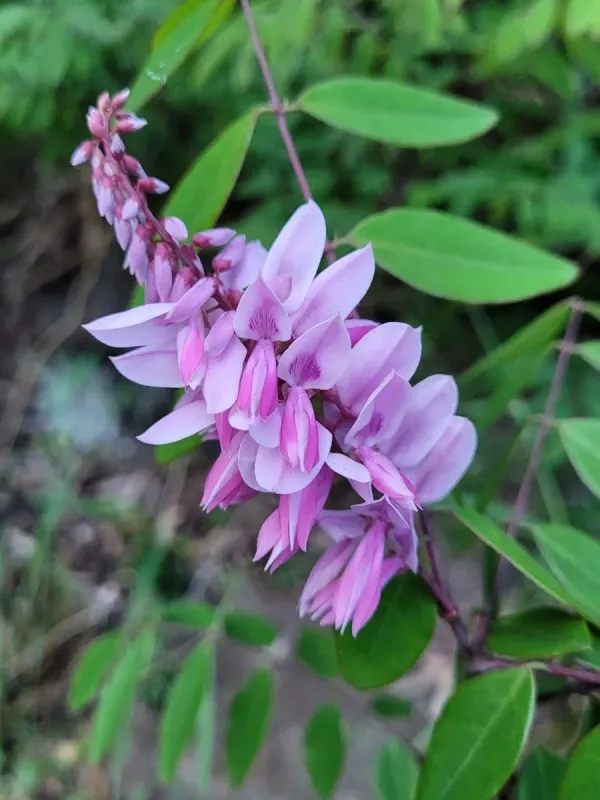
Description
Sowing dates
Sowing Indigofera decora seeds typically occurs in late spring once soil temperatures are consistently above 15 degrees Celsius, ensuring favorable conditions for germination.
Since the seeds have a hard seed coat, physical scarification or soaking in warm water for several hours is recommended to improve the germination rate significantly.
Seeds should be sown in a well-draining, sandy loam medium at a shallow depth, which provides sufficient moisture while preventing the seeds from rotting before they sprout.
Propagation can also be performed via softwood cuttings taken during the early summer, which often results in faster plant development compared to seed-grown specimens.
Maintaining a consistent environment with high humidity and bright, indirect light is essential during the initial stages of seedling development until the plants reach 10 cm in height.
Growing requirements
Indigofera decora belongs to the Fabaceae family and is native to East Asia, where it is known for its elegant, pinnate foliage and long, raceme-like flower clusters.
This species thrives in full sun but can tolerate partial shade, provided it receives at least six hours of direct sunlight to support healthy flower production.
The ideal soil profile is slightly acidic to neutral, rich in organic matter, and must have excellent drainage, as the species is intolerant of waterlogged soil conditions.
During the growing season, moderate irrigation is necessary, though established plants exhibit some degree of drought tolerance once their root systems are fully developed.
Pruning should be performed in late winter or early spring to remove dead wood and encourage new growth, which helps maintain a dense and attractive shrub structure.
Main diseases and pests
Common issues include fungal infections like powdery mildew, which appear as a white dust on the foliage during periods of stagnant air and high humidity.
Insect pests, specifically aphids and spider mites, can infest the tender tips of new shoots, sucking the sap and causing stunted development or yellowing leaves.
Proper airflow between individual plants is the best natural defense against humidity-related diseases, making plant spacing a critical aspect of site preparation.
In cases of severe infestation, the application of horticultural oils or insecticidal soaps can manage pest populations without damaging the plant's delicate tissues.
Root rot, often caused by overwatering or compacted soil, remains the primary cause of sudden plant decline and should be managed by adjusting the irrigation schedule.