
Ilex owariensis
Ilex x owariensis Hatus. & M. Kobay.
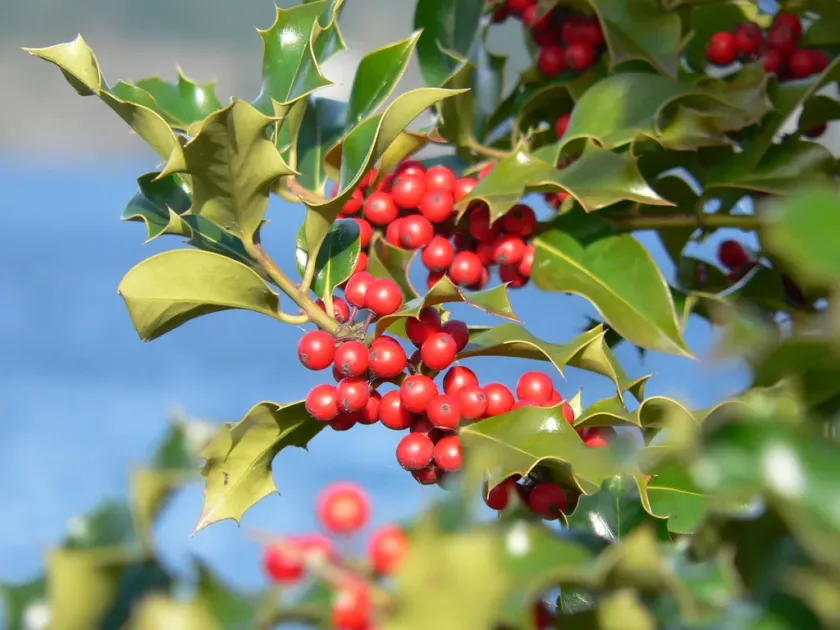
Description
Growing requirements
Ilex x owariensis is a distinguished hybrid shrub belonging to the Aquifoliaceae family. This evergreen species is highly valued in horticulture for its dense, glossy foliage and robust structural presence in garden landscapes.
The plant thrives in well-drained, acidic to neutral soils enriched with organic matter. Proper site preparation is essential, as the species does not tolerate heavy waterlogging, which can lead to root system decay in poorly aerated soils.
In terms of light exposure, Ilex owariensis prefers partial shade to filtered sunlight. While it can tolerate more exposure in cooler climates, shielding it from harsh, direct afternoon sun is recommended to prevent leaf desiccation and scorching.
Consistent moisture is key during the establishment phase and active growing periods. Mulching around the root zone is a critical practice to regulate soil temperature and retain humidity, mimicking the natural forest floor conditions of its ancestors.
Regular maintenance includes formative pruning during the dormant season to encourage a dense habit. Balanced NPK fertilizers applied in the early spring help support vigorous foliage development throughout the year.
Harvesting
The primary economic use of Ilex owariensis is in the ornamental nursery trade and landscape architecture. It is widely used to create evergreen hedges, screens, and formal topiary displays due to its excellent tolerance of pruning.
Floriculture represents another significant utility for this plant. Its durable, waxy leaves are prized for winter floral arrangements, wreaths, and festive decorations, maintaining a fresh appearance for extended durations post-harvest.
Harvesting for decorative purposes should be performed selectively to maintain the structural integrity of the plant. Using sterilized, sharp tools is essential to ensure that the cutting sites heal cleanly, preventing potential pathogen entry.
- Harvest during cool, dry weather to ensure maximum shelf life of the foliage.
- Maintain high humidity levels for cut branches to preserve leaf luster.
- Avoid harvesting more than 25-30% of the shrub's canopy to ensure rapid recovery.
In a commercial setting, successful production depends on monitoring growth rates and responding to nutrient deficiencies promptly. High-quality output is achieved through a combination of strategic fertilization and meticulous shaping throughout the growth cycle.