
Koehne holly
Ilex x koehneana Loes.
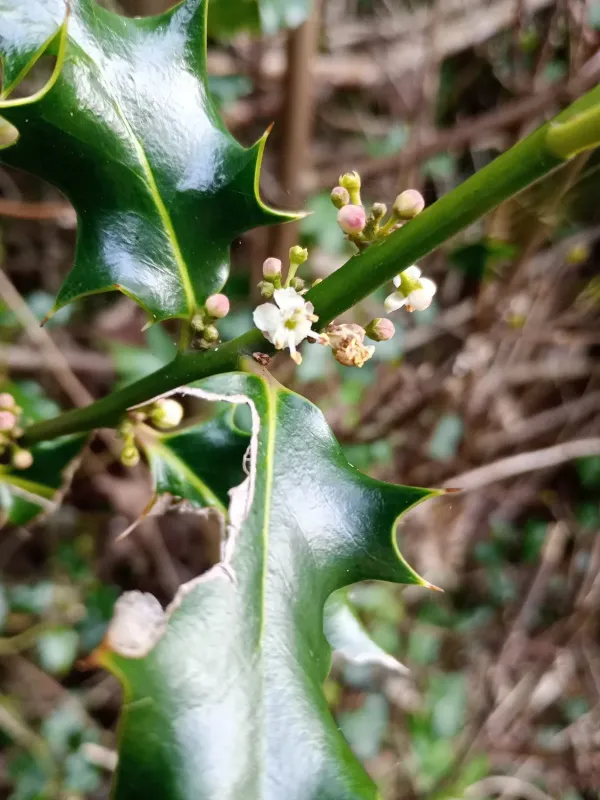
Description
Growing requirements
Koehne holly (Ilex x koehneana) is a complex hybrid resulting from the crossing of Ilex aquifolium and Ilex pernyi. It belongs to the Aquifoliaceae family and is highly valued for its striking, spiny, evergreen foliage and robust ornamental presence in landscape design.
The plant thrives in moderately moist, fertile, and well-drained soils with an acidic to neutral pH. It is highly sensitive to waterlogged conditions, which makes the installation of proper drainage systems essential when planting in heavy clay soils.
While Koehne holly can tolerate full sun, it prefers locations with partial shade, especially in regions with intense afternoon heat. It is crucial to protect young specimens from cold, desiccating winds during winter to maintain the hydration and vigor of the evergreen leaves.
Regarding agrotechnical practices, the hybrid is considered relatively hardy, although young plants benefit from protective mulch or horticultural fabric during severe winters. Established plants have a good capacity for regeneration, making them an excellent choice for ornamental hedges.
Its primary use is in ornamental gardening and landscape architecture. The species is prized for its pyramidal growth habit and the abundant production of bright red berries that persist well into winter, providing visual interest and supporting local wildlife.
Main diseases and pests
The main threats to Koehne holly are fungal diseases, such as leaf spot, which are often exacerbated by high humidity and poor air circulation around the foliage. Preventive measures include proper spacing and avoiding overhead irrigation methods.
Insect pests, particularly scale insects, can pose a significant threat by sap-feeding, which may weaken the plant over time. Mites can also become an issue during dry, hot weather, leading to discolored foliage and reduced plant vitality.
Integrated pest management is recommended for control, including the timely application of systemic insecticides upon the first signs of infestation. Copper-based fungicides are effective in controlling common fungal pathogens that affect evergreen holly species.
Regular sanitary pruning is a fundamental practice for disease management. Removing dead or broken branches and thinning out dense growth significantly improves air movement, thereby reducing the likelihood of fungal colonization.
Maintaining soil nutrient balance is essential to prevent physiological disorders like chlorosis. Ensuring the soil pH remains within the appropriate range is vital for optimal nutrient uptake and general plant resistance against secondary infections.