
Rugose holly
Ilex rugosa F. Schmidt
Description
Growing requirements
Rugose holly (Ilex rugosa) is a prostrate, evergreen shrub belonging to the Aquifoliaceae family. Native to the Far East, including parts of Japan and Russia, this plant is well-known for its exceptional cold tolerance and its unique habit of spreading low across the ground, forming dense, ornamental mats.
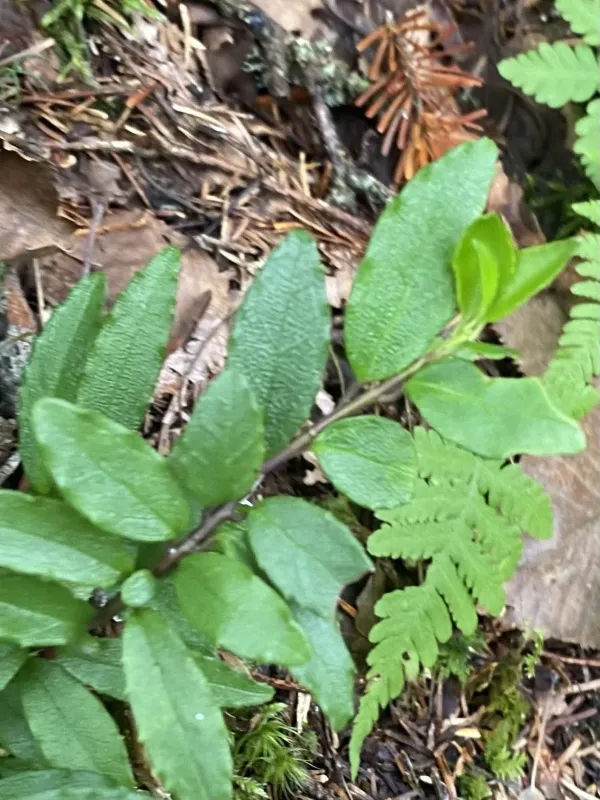
The botanical profile of this species is defined by its wrinkled, leathery dark green leaves and a slow growth rate. Being a low-growing plant, it is highly valued in landscape design as a ground cover or a foundational element for rocky gardens, as it stays protected under snow during harsh winter months.
To thrive, rugose holly requires acidic to slightly acidic, well-drained, and organic-rich soil. It is intolerant of heavy, waterlogged conditions, which can lead to root rot. Ensuring proper drainage is the most critical aspect of the planting site selection for this particular species.
The plant prefers semi-shaded environments, although it can adapt to sunny conditions provided that the soil moisture levels are consistently maintained. Exposure to drying winter winds can cause leaf burn, so planting the shrub in a sheltered location is highly recommended for optimal development.
General maintenance includes annual mulching with pine needles or acidic peat to regulate soil pH and moisture retention. Fertilization should be focused on the spring period using slow-release formulas designed for acid-loving shrubs to support vibrant foliage growth throughout the season.
Main diseases and pests
The primary threats to Ilex rugosa are fungal pathogens, specifically leaf spots and root rot caused by poor soil drainage. Keeping the planting area clear of debris and ensuring adequate spacing between plants can significantly reduce the incidence of these diseases.
In terms of pests, scale insects and leaf miners are the most common adversaries for this plant. Regular inspection of the undersides of the leaves is advised, and infestations should be addressed immediately with appropriate horticultural oils or systemic insecticides to prevent damage.