
Cape holly
Ilex mitis (L.) Radlk.
Description
Growing requirements
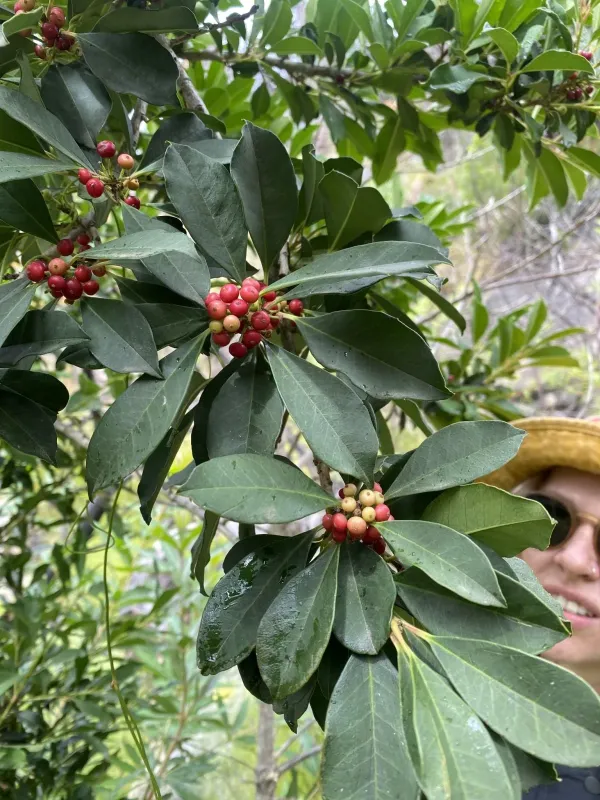
Cape holly (Ilex mitis) is an evergreen tree or large shrub belonging to the Aquifoliaceae family. Native to the afromontane regions of Africa, this plant is well-known for its glossy, dark green foliage and its significant role in local ecosystems as a food source for various bird species.
The plant thrives in moist, fertile, and well-drained soils. In terms of climate, it prefers regions with consistent rainfall and high humidity. While it exhibits moderate tolerance to sun, it flourishes best in areas with dappled sunlight, mimicking the conditions of its natural forest habitat.
Agricultural management of Ilex mitis involves maintaining soil moisture, especially during the establishment phase. Organic mulch is highly recommended to protect the root zone from temperature fluctuations and to enhance the soil's structure over time.
The species is highly regarded in horticulture for its versatility. It can be trained as a formal hedge or allowed to grow into a stately specimen tree. Its dense wood has historically been used for crafting, while the plant itself remains a popular choice for restoration ecology projects.
Proper pruning is essential to maintain the desired shape and plant health. By removing overcrowded branches, gardeners can improve air circulation within the canopy, which is a vital preventive measure against common plant stress and physiological disorders.
Main diseases and pests
Common health issues for Cape holly include fungal leaf spots, which are usually associated with poor air circulation or excessive moisture levels. Ensuring the planting site has good drainage and adequate spacing prevents most of these moisture-related problems.
Pests like scale insects can affect the plant by feeding on its sap. Regular monitoring is key to early detection. If an infestation occurs, horticultural oils or insecticidal soaps are effective tools to mitigate the impact without causing long-term damage to the plant.